

Replacing siding is one of the most impactful upgrades you can make to your home’s exterior. In Canada’s challenging climate, timing is critical. Choosing the best season can save you money, prevent unnecessary delays, and ensure a flawless installation that lasts for decades. Below is a comprehensive guide detailing when, why, and how to schedule siding replacement for optimal results.
Why Timing Matters for Siding Replacement
Siding replacement is a major investment, and Canadian weather can make or break the project. Extreme temperatures, high humidity, or heavy precipitation can affect materials, installation quality, and the longevity of your siding. Picking the wrong time can lead to:
- Warped or improperly sealed panels
- Higher labor costs due to weather delays
- Increased risk of water infiltration and hidden mold damage
Before discussing the best season, you need to understand how weather impacts different siding materials like vinyl, fiber cement, wood, and aluminum. Each has its ideal installation temperature range, which is why timing is so important.
Spring: A Popular Choice with Caution
Many Canadian homeowners consider spring ideal for siding replacement. As temperatures warm up, contractors’ schedules begin to fill. Here’s what you need to know:
Pros of Spring Installation
- Moderate temperatures: Ideal for vinyl and fiber cement siding.
- Availability of contractors: More flexible schedules early in the season.
- Improved curb appeal before summer: Perfect if you plan to sell your home in peak real estate months.
Potential Drawbacks
- Unpredictable weather: Rain and lingering snow in early spring can delay projects.
- Ground saturation: Wet soil can make scaffolding setup challenging.
- Increased demand: Costs rise as more homeowners book projects.
If you choose spring, aim for late April through early June, when the weather is more stable.
Summer: Ideal for Most Siding Materials
Summer is considered one of the best times for siding replacement across Canada.
Benefits of Summer Siding Replacement
- Consistent warm weather: Allows for optimal material expansion and secure installation.
- Longer daylight hours: Crews can complete projects faster.
- Dry conditions: Reduced risk of moisture damage during installation.
Challenges to Consider
- Higher contractor demand: Book early; many projects are scheduled months in advance.
- Heat-sensitive materials: For vinyl siding, excessive heat can cause expansion. Contractors mitigate this by leaving proper gaps during installation.
Mid-summer (July to August) is especially ideal in most regions except in extreme heat areas like southern Ontario. For guidance on choosing materials that withstand Canadian summers, review The Ultimate Guide to Choosing the Best Siding for Your Home.
Fall: The Best All-Around Season
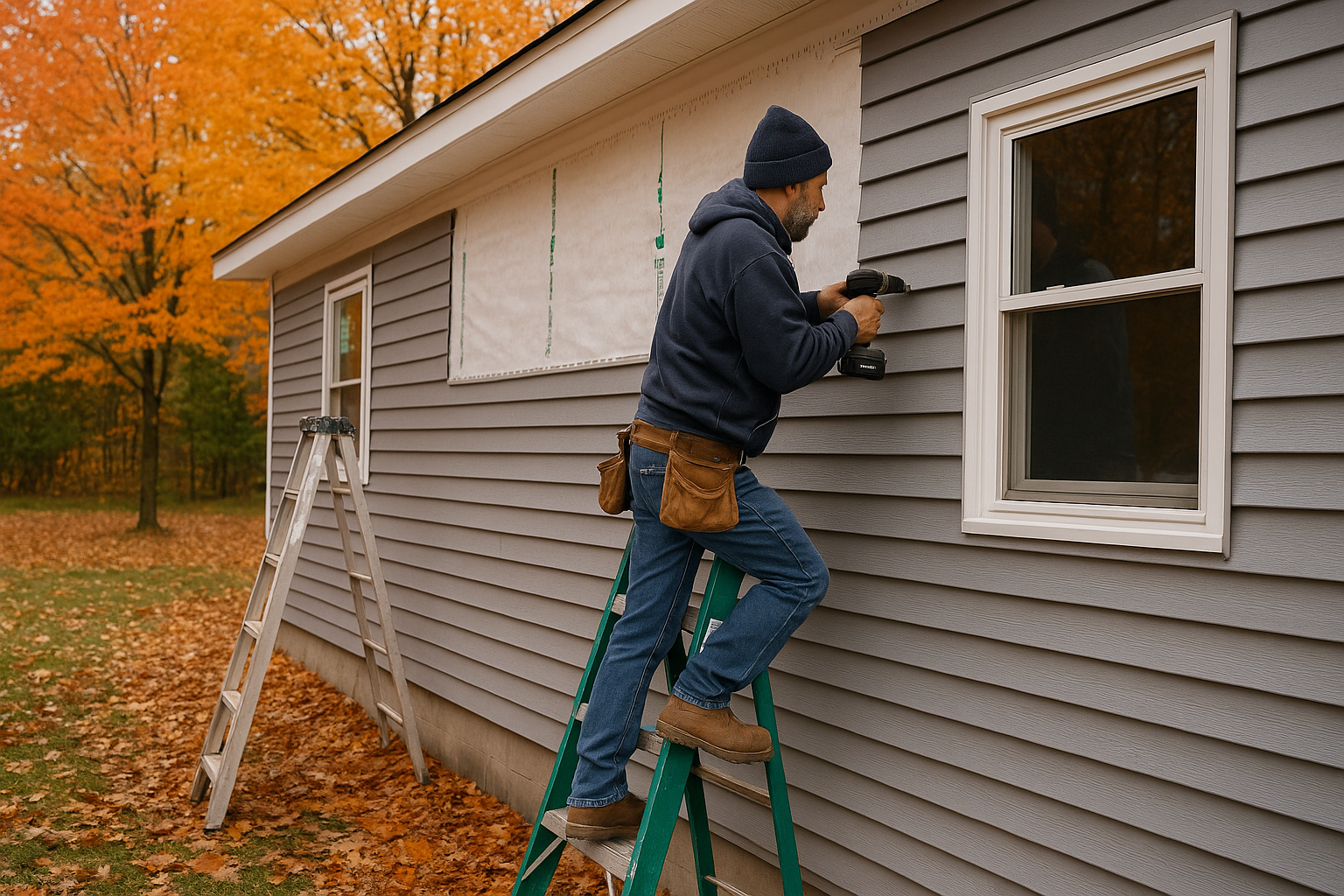
For many Canadian homeowners, fall is the prime season for siding replacement.
Advantages of Fall Installation
- Perfect temperature range: Neither too hot nor too cold; ideal for all siding types.
- Stable weather conditions: Less rainfall compared to spring, fewer heat waves than summer.
- Energy savings: New siding improves insulation before winter, lowering heating costs.
Best Months for Fall Installation
Late September through early November offers the best combination of weather stability and contractor availability. If you want to improve energy efficiency, consider upgrading to insulated vinyl siding before winter.
Winter: Can You Replace Siding in Canada’s Cold Months?
Winter siding replacement is possible but not ideal unless you have an emergency. Modern materials and techniques allow winter installations, but there are risks.
Challenges of Winter Installation
- Cold brittleness: Vinyl siding can crack below 5°C if mishandled.
- Adhesive issues: Caulking and sealants take longer to cure.
- Weather delays: Snowstorms and freezing rain may halt progress.
If unavoidable, work with experienced contractors familiar with cold-weather techniques. For tips on navigating winter-specific repairs, see Winter Siding Repairs: What You Can & Can’t Do in Ottawa’s Harsh Climate.
Factors That Affect the Best Time for Siding Replacement
Timing isn’t only about weather. Other critical factors influence your decision:
1. Material Choice
- Vinyl Siding: Best installed in mild weather to avoid expansion/contraction issues.
- Fiber Cement: Less sensitive to temperature but heavier, requiring stable ground.
- Wood: Needs dry conditions to prevent moisture absorption.
- Aluminum: Can be installed year-round but expands in high heat.
For help selecting durable materials for Canadian climates, explore Best Siding Options for Cold Climates Like Ottawa.
2. Contractor Availability
Top contractors book out months ahead. To secure a reputable installer, research early. Review trusted local experts on Top 10 Siding Installers in Ottawa 2025.
3. Budget and Rebates
Some municipalities offer off-season rebates for energy-efficient upgrades. Check Government of Canada’s Energy Efficiency Programs to see if you qualify for tax credits or rebates.
The Impact of Siding Timing on Energy Efficiency
New siding can drastically reduce energy costs. According to Natural Resources Canada, up to 25% of energy loss occurs through poor insulation and gaps in siding. Installing at the right time ensures proper sealing and insulation.
By replacing siding in late summer or early fall, you prepare your home for winter’s cold and summer’s heat, maximizing energy savings.
Common Mistakes Homeowners Make When Scheduling Siding Replacement
- Waiting until siding is severely damaged: This leads to higher costs and interior damage. Learn the Top 5 Signs It’s Time to Replace Your Siding.
- Booking contractors too late: Demand peaks mid-season; schedule months in advance.
- Ignoring weather patterns: Choosing the wrong season can add costs and delays.
- Selecting inexperienced contractors: Improper installation voids warranties and reduces lifespan.
How to Prepare Your Home for Siding Replacement
- Trim landscaping: Ensure easy access for installation crews.
- Inspect for structural issues: Address hidden water or mold damage early.
- Plan your budget: Request detailed quotes to avoid unexpected expenses.
- Communicate timelines: Confirm project duration and contingencies with your contractor.
For insight into what happens during the process, see What to Expect During a Siding Installation.
Conclusion: The Best Time of Year for Siding Replacement in Canada
While siding can technically be replaced year-round, the optimal times are late spring, summer, and especially fall. These seasons offer the most stable conditions for durable, energy-efficient installations. Planning early and working with experienced professionals ensures your home looks great, performs well, and withstands Canada’s harsh climate for decades.
For tailored advice and a free consultation, contact Kaloozie Comfort today.

