

Moisture is the silent destroyer of home exteriors. When water pools or splashes near the bottom edge of siding, rot can develop quickly—often out of sight. Proper grade clearance and effective splashback prevention are two of the most overlooked but critical elements of durable siding installation. This in-depth guide explores why these details matter, how to get them right, and how homeowners in climates like Ottawa can avoid thousands of dollars in damage.
Understanding Grade Clearance: Why Height Matters
Minimum Clearance Standards for Different Siding Types
Grade clearance refers to the vertical distance between the finished ground level and the bottom edge of your siding. The right clearance depends on the siding material and local building codes:
- Vinyl siding: Minimum 6–8 inches above grade
- Wood or engineered wood siding: Minimum 8 inches to prevent capillary wicking
- Fiber cement siding (e.g., James Hardie): Minimum 6 inches, and at least 2 inches above decks, patios, or steps
Following these standards helps prevent prolonged contact between moisture and the siding base—a common cause of rot, swelling, and premature failure. According to Canada’s National Building Code, maintaining proper clearance is a requirement, not a suggestion, especially in cold regions with freeze–thaw cycles.
The Dangers of Insufficient Clearance
When siding is installed too close to the soil or paving:
- Moisture wicks upward through capillary action, saturating siding and sheathing.
- Freeze–thaw cycles in Ottawa can cause trapped moisture to expand, leading to cracking or warping.
- Insects and pests gain easier entry through moist, softened material.
- Splashback from rainfall or snowmelt constantly batters the lower courses.
These issues often start small but accelerate quickly. Once wood rot or mold sets in, repairs can involve removing entire siding sections, replacing damaged sheathing, and addressing structural issues hidden beneath the surface.
How Splashback Accelerates Rot
What Is Splashback?
Splashback occurs when rainwater or melted snow hits a horizontal surface—like soil, stone, concrete, or a patio—and bounces back against the siding. This phenomenon is especially problematic in regions with heavy rainfall or snowmelt like Ottawa, where eavestroughs can overflow or ice dams form at roof edges.
Even with good clearance, repeated splashback saturates the lower siding, trim, and sometimes the sheathing. Over time, paint or protective finishes fail, and rot takes hold.
Common Splashback Zones
- Along garden beds directly adjacent to walls
- Around decks and patios with no drainage gaps
- Below downspouts or where eavestroughs are undersized
- Near walkways or driveways with improper slope
You can read more about how proper exterior design and water management interact in this U.S. Department of Energy resource on rain control.
Best Practices for Proper Grade Clearance
1. Set the Right Starting Course
The first row of siding sets the tone for the entire wall. Installers should:
- Snap a chalk line at the correct clearance height.
- Verify levelness around the entire perimeter, compensating for sloping grades.
- Trim sheathing or house wrap neatly at the base to allow airflow.
These steps are often overlooked by inexperienced installers, leading to uneven courses and areas where the siding dips too low.
2. Use a Proper Drip Cap or Starter Strip
A well-designed starter strip:
- Holds the bottom of the siding away from the wall, encouraging runoff.
- Prevents water from wicking behind the siding.
- Allows air circulation, which speeds drying after rain or snow.
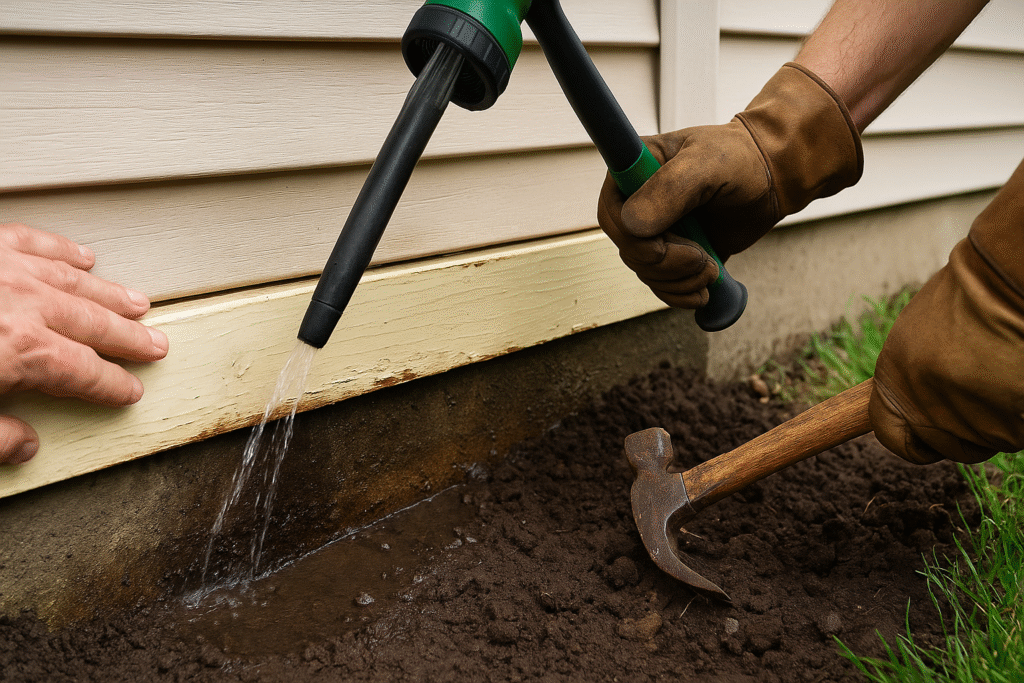
3. Slope the Ground Away from the House
Proper grading—sloping the ground at least 5% away (about 6 inches over 10 feet)—is crucial to divert water. Many homeowners overlook this simple landscaping fix. Without it, even perfect siding installation can’t keep the wall dry.
For Ottawa homeowners planning a siding project, checking the slope is as important as selecting the right material. Resources like the Ultimate Guide to Choosing the Best Siding for Your Home offer insights into material durability under these conditions.
Effective Splashback Prevention Techniques
1. Install Drip Edges and Flashing
Drip edges, metal flashings, and proper trim detailing at the base help shed water outward, away from the wall. In many cases, extending flashing ½ to 1 inch beyond the face of the siding drastically reduces splashback impact.
2. Add Gravel Beds or Drainage Strips
Gravel or crushed stone beds placed directly below siding:
- Absorb impact from raindrops.
- Allow water to percolate downward.
- Reduce mud splatter on light-colored siding.
This is an inexpensive upgrade that can prolong the life of your exterior—especially for vinyl and wood siding near landscaping.
3. Use Gutters and Downspouts Effectively
A well-designed eavestrough and downspout system prevents water from pounding the lower wall. Regular gutter maintenance ensures water flows away, not over. Learn more about proper integration in eavestrough-siding protection strategies.
4. Design Decks and Patios with Gaps
Solid decking or concrete slabs tight against siding create splash zones. Instead:
- Leave a small expansion gap between decking and siding.
- Install deck flashing at the ledger board.
- Ensure patio slabs have a gentle slope away from the house.
Material-Specific Considerations for Ottawa Homes
Vinyl Siding
Vinyl siding is water-resistant but not waterproof. Its durability depends on maintaining clearance and airflow. Water that gets behind must drain out through weep holes at the bottom. If these are clogged or blocked by soil, rot in the sheathing can occur silently.
Wood & Engineered Wood
Wood siding is most vulnerable to splashback. Paint or stain provides a layer of defense, but constant wetting at the bottom edge eventually leads to peeling, swelling, and decay. Engineered wood products require strict clearance adherence to honor warranties.
For deeper insight into material durability and lifespan, see What Type of Siding Lasts the Longest.
Fiber Cement
Fiber cement is rot-resistant, but manufacturers like James Hardie mandate 6-inch ground clearance and 2-inch clearance above horizontal surfaces. Ignoring these details can void warranties and cause hidden water accumulation in Ottawa’s freeze–thaw cycles.
Inspection and Maintenance Checklist
Even with proper installation, ongoing vigilance is key. Use this checklist to catch issues early:
- Seasonally inspect the bottom siding edge for discoloration, peeling, or softness.
- Ensure mulch, soil, or landscaping hasn’t crept up over time.
- Check gravel beds for compaction and add material as needed.
- Clean weep holes and lower J-channels regularly.
- Verify that gutters and downspouts are not overflowing during rainstorms.
Homeowners can follow the Essential Siding Maintenance Tips to build a strong year-round routine.
Professional Installation: The Key to Longevity
DIY installation often overlooks critical details like starter strip placement, flashing angles, or clearance tolerance. Hiring experienced contractors who understand Ottawa’s wet winters and spring thaws makes a lasting difference. Learn more about the benefits of working with experts in Why Hiring a Siding Expert Is Your Best Option.
When to Address Grade & Splashback Issues
Early Intervention Saves Thousands
If you notice peeling paint, green algae, or damp spots near the bottom siding rows, address it immediately. Minor grading adjustments, flashing retrofits, or replacing a few lower boards is far cheaper than full wall reconstruction.
During Siding Replacement
If you’re already replacing siding, grade and splashback corrections should be part of the scope. Replacing siding without solving underlying moisture issues is a wasted investment. For budget insights, refer to Siding Replacement Costs in Ottawa.
Conclusion: A Dry Base Is a Durable Base
Rot at the bottom edge of siding is almost always preventable. By maintaining proper grade clearance, designing effective splashback control, and inspecting seasonally, homeowners can extend the life of their siding by decades. These details might be invisible from the curb—but they’re the foundation of a weather-tight, long-lasting exterior.
For professional guidance on assessing your home’s clearance and drainage, contact Kaloozie Comfort’s expert siding team to schedule a consultation.

