

Keeping your home energy-efficient in Ottawa’s challenging climate is more than just about your furnace or insulation—it also depends heavily on your siding. Many homeowners underestimate the role siding plays in maintaining comfortable indoor temperatures. Old, worn-out siding can silently drive up your heating costs every winter. This comprehensive guide will explore exactly how outdated siding drains your wallet, the warning signs to look for, and why siding replacement is one of the most cost-effective home improvements you can make.
Why Old Siding Is a Hidden Energy Drain
Loss of Insulation Value
Siding acts as a thermal barrier. When it deteriorates, cracks, or pulls away from the wall, it creates gaps where warm air escapes and cold air enters. Even small inefficiencies compound over time, forcing your heating system to work harder.
Air Leaks and Drafts
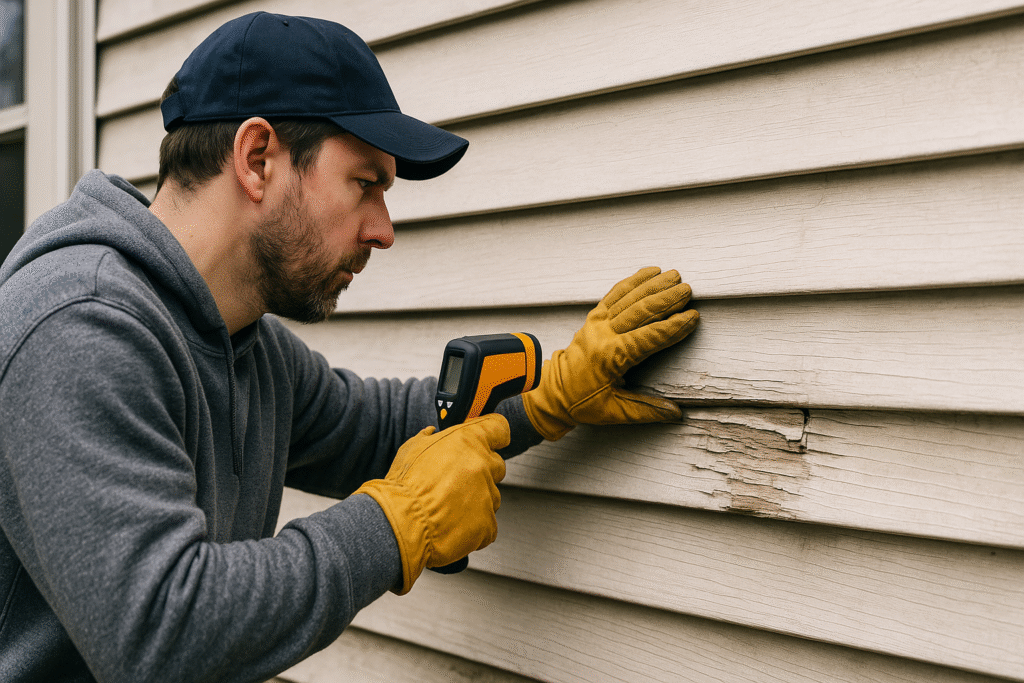
Old siding often develops warps and gaps that allow outdoor air to seep inside. Drafts near walls, windows, and doors are common symptoms. This infiltration disrupts your home’s ability to maintain consistent indoor temperatures, leading to higher energy consumption.
Moisture and Mold Problems
Deteriorated siding allows moisture intrusion, which can damage insulation behind the walls. Once insulation becomes damp, it loses effectiveness. According to Energy.gov, wet insulation can reduce R-values by up to 50%, meaning you pay more to heat your home with little comfort gain.
Signs Your Siding Is Increasing Heating Costs
Rising Energy Bills
If your heating bills climb every winter despite regular furnace maintenance, your siding may be the culprit. When walls fail to hold heat, your HVAC system compensates with longer run times.
Cold Spots on Walls
Touching interior walls and noticing cold patches is a clear indicator that exterior siding isn’t protecting your home. These cold spots highlight poor insulation and air leaks.
Visible Damage
Cracked panels, fading color, warping, or missing pieces all allow energy leakage. Beyond aesthetics, these flaws compromise energy efficiency and can invite pests or water damage.
For Ottawa homeowners noticing such problems, it’s worth reviewing the Top 5 Signs It’s Time to Replace Your Siding before winter arrives.
The True Cost of Old Siding on Your Heating Bill
Short-Term Energy Losses
On average, Canadian homeowners can lose 20–30% of their heating energy through poorly sealed exteriors. That translates into hundreds of dollars wasted each season.
Long-Term System Strain
When your furnace runs constantly to make up for lost heat, it not only spikes energy bills but also reduces the lifespan of your heating system. Repair and replacement costs add up over time.
Decreased Property Value
Homes with visibly old siding are less attractive to buyers. In real estate markets like Ottawa, curb appeal and energy efficiency play major roles in resale value. Investing in new siding is both a savings strategy and a value-boosting move.
Modern Siding: Your Solution to Energy Waste
Insulated Vinyl Siding
Modern options like insulated vinyl siding add a protective thermal layer, reducing drafts and helping you save money on heating bills.
Fiber Cement and Engineered Wood
These siding types not only offer durability but also provide better sealing against moisture and air leaks. Engineered solutions perform well in Ottawa’s freeze-thaw cycles.
Weather-Resistant Materials
Selecting siding that resists snow, ice, and wind damage is key for Canadian winters. See Best Siding Options for Cold Climates Like Ottawa for materials tailored to harsh conditions.
Energy Efficiency Benefits of Siding Replacement
Improved Indoor Comfort
New siding creates a consistent thermal envelope, eliminating cold spots and making your home more comfortable during winter.
Reduced Heating Costs
Homeowners who replace old siding with energy-efficient alternatives can reduce heating bills by up to 25%, according to industry benchmarks.
Eligibility for Rebates
Government programs like the Canada Greener Homes Grant often provide incentives for energy-efficient upgrades, including siding replacement.
How to Choose the Right Siding for Energy Savings
Evaluate Climate-Specific Needs
Ottawa homeowners must account for extreme cold, heavy snow, and ice buildup. Choosing materials suited to these conditions ensures long-term efficiency.
Hire Qualified Contractors
A professional installation makes the difference between efficient siding and wasted investment. Explore Why Hiring a Siding Expert Is Your Best Option to understand the risks of DIY siding jobs.
Factor in Longevity
Not all siding lasts equally. If energy efficiency is your goal, it’s worth reviewing What Type of Siding Lasts the Longest to maximize long-term returns.
When Is the Right Time to Replace Old Siding?
Before Winter Hits
Waiting until freezing temperatures arrive means higher heating costs for another season. Planning a siding replacement in fall or early spring ensures your home is prepared for Ottawa’s harsh winters.
After Storm Damage
Snow, ice, and windstorms accelerate siding deterioration. If your home shows visible storm wear, consider timely replacement instead of patchwork repairs.
For guidance, the Ottawa Homeowner’s Primer on Siding Installation Services outlines how to prepare for replacement projects.
Conclusion: Stop Paying for Wasted Heat
Old siding silently drives up heating costs while reducing comfort and property value. By recognizing the signs of deterioration and investing in modern, insulated options, homeowners can cut energy bills, extend HVAC lifespan, and boost home resale value. Whether you choose insulated vinyl, fiber cement, or engineered wood, the return on investment is clear. Don’t wait until another costly Ottawa winter passes—upgrade your siding now and start saving.

