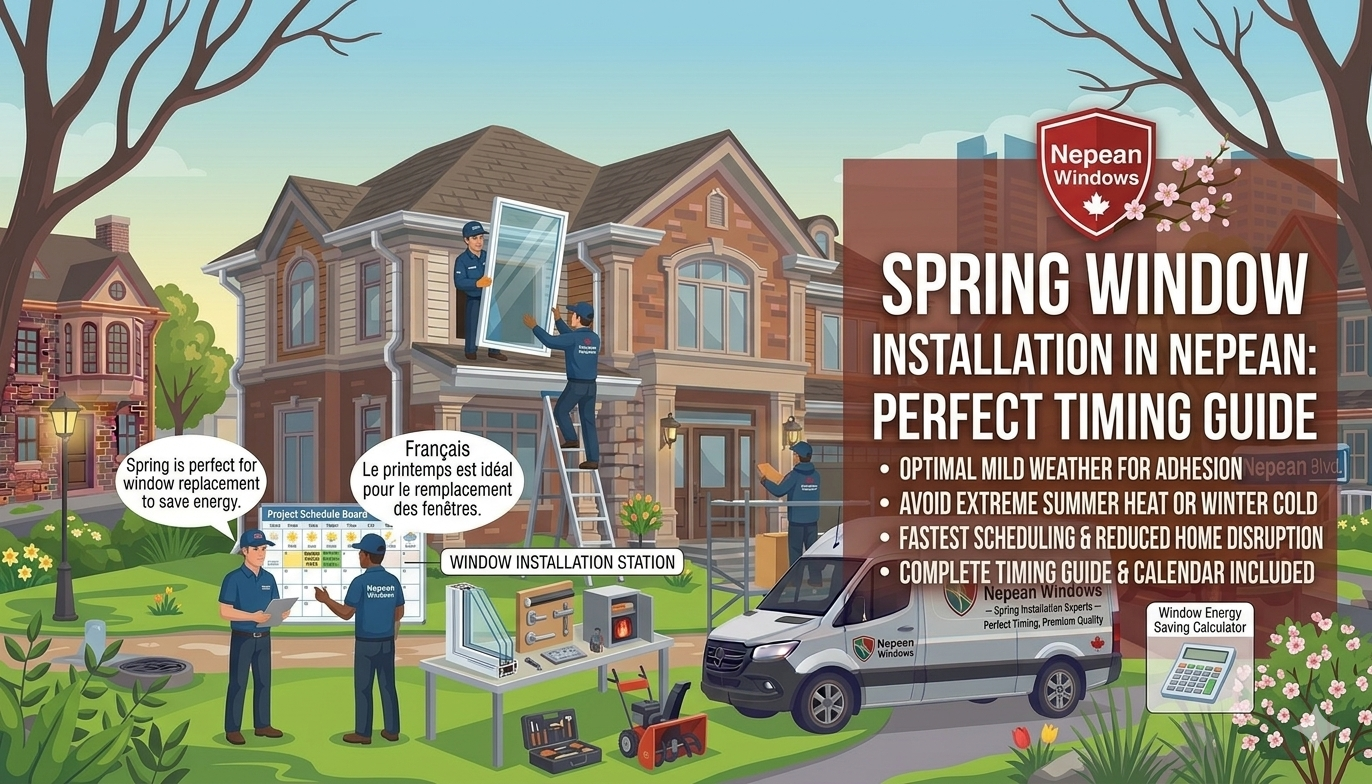
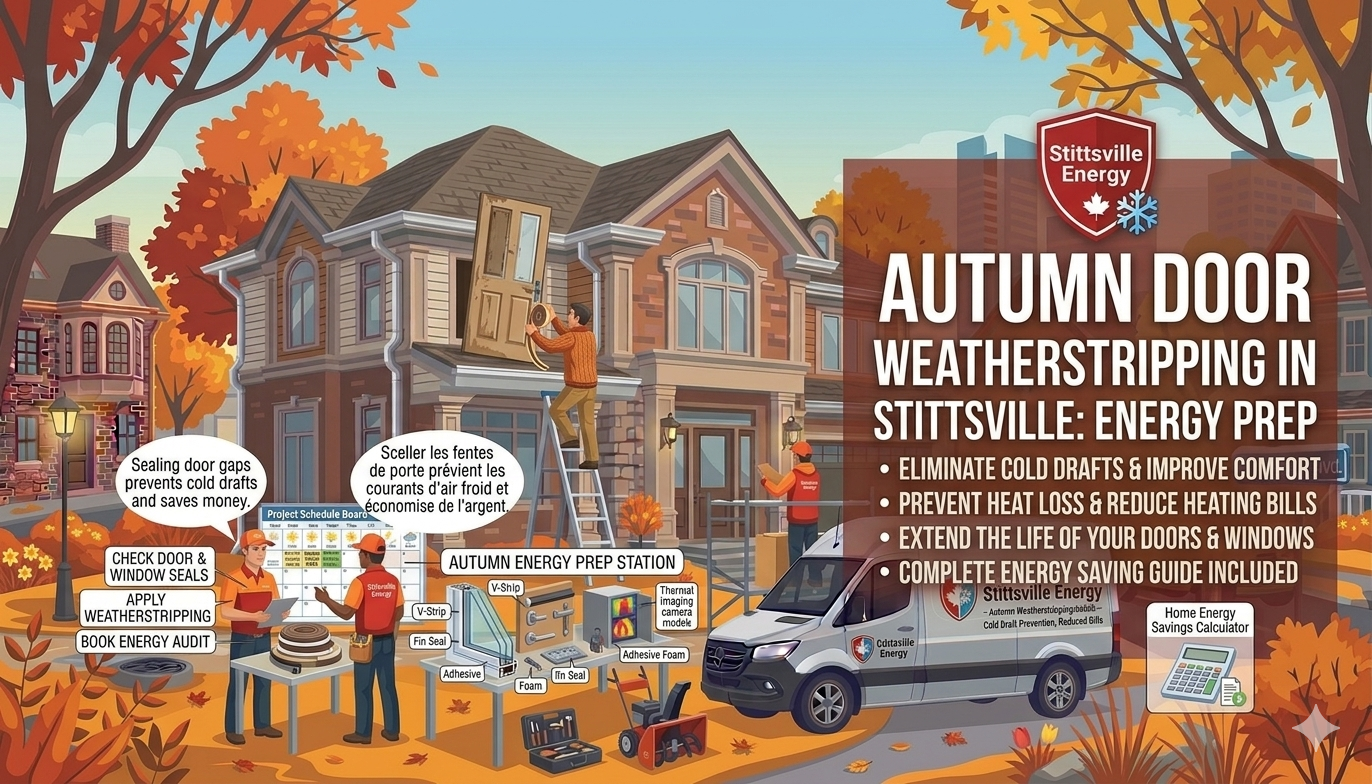
As temperatures begin dropping across Stittsville and the greater Ottawa region, homeowners start noticing the same frustrating problems every year: cold drafts near entryways, rising heating bills, uneven indoor temperatures, and moisture creeping into the home. One of the most overlooked yet highly effective solutions is professional door weatherstripping.
Autumn is the ideal season to inspect and upgrade weatherstripping before harsh winter conditions arrive. Properly sealed doors create a thermal barrier that keeps warm air inside while preventing cold outdoor air from entering. In a climate like Stittsville, where winter temperatures routinely plunge well below freezing, even small air leaks can significantly impact comfort and energy efficiency.
Homeowners investing in autumn weatherproofing often experience lower utility costs, improved indoor comfort, better humidity control, and reduced strain on HVAC systems throughout the winter season.
For homeowners already exploring broader exterior energy upgrades, services such as windows and doors installation and energy-efficient siding can dramatically enhance overall home insulation performance.
Why Door Weatherstripping Matters Before Winter
Door weatherstripping acts as a seal around doors to eliminate air leakage between moving parts and fixed frames. Over time, weather exposure, moisture, temperature fluctuations, and repeated use cause these seals to crack, flatten, or detach.
When this happens, homes lose heat rapidly.
The Hidden Cost of Air Leaks
Many Stittsville homeowners underestimate how much energy escapes through poorly sealed doors. According to the Government of Canada’s energy efficiency resources, uncontrolled air leakage is one of the leading causes of residential heat loss in Canadian homes.
Drafty doors can lead to:
- Increased monthly heating expenses
- Cold floors and uncomfortable rooms
- Moisture infiltration
- Ice formation near thresholds
- HVAC overuse
- Indoor humidity imbalance
- Reduced lifespan of heating equipment
Even a small gap around an exterior door can allow a surprising amount of cold air infiltration over an entire winter season.
Signs Your Door Weatherstripping Needs Replacement
Many homeowners only realize they have a problem once winter arrives. Performing inspections during autumn allows enough time to complete repairs before freezing conditions make installations more difficult.
Common Warning Signs
Cold Drafts Around Doors
If you can feel cold air near the edges of a closed door, the seal is likely failing.
Visible Light Around Door Edges
Turn off interior lights during daylight hours and inspect the perimeter of the door. Visible light indicates air gaps.
Higher Heating Bills
Unexpected increases in heating costs often point toward hidden air leakage.
Difficulty Maintaining Indoor Temperature
Rooms near exterior doors may feel significantly colder than the rest of the home.
Moisture or Frost Buildup
Condensation or frost around doors often indicates poor insulation and sealing.
Worn or Cracked Materials
Rubber seals, foam strips, or vinyl weatherstripping naturally deteriorate over time.
For homeowners dealing with broader exterior insulation concerns, understanding how siding impacts home insulation can provide additional insights into maximizing winter efficiency.
Best Types of Door Weatherstripping for Stittsville Homes
Not all weatherstripping materials perform equally in Ottawa-area winters. Choosing the right product depends on climate exposure, door usage frequency, and overall home efficiency goals.
Rubber Weatherstripping
Rubber seals remain flexible in freezing temperatures and provide excellent durability.
Advantages
- Long-lasting
- Strong thermal barrier
- Moisture resistant
- Effective for harsh winters
Best For
- Main entry doors
- Frequently used exterior doors
Foam Tape Weatherstripping
Foam tape is inexpensive and easy to install but generally offers shorter lifespan performance.
Advantages
- Affordable
- DIY-friendly
- Quick installation
Disadvantages
- Compresses over time
- Less durable in severe cold
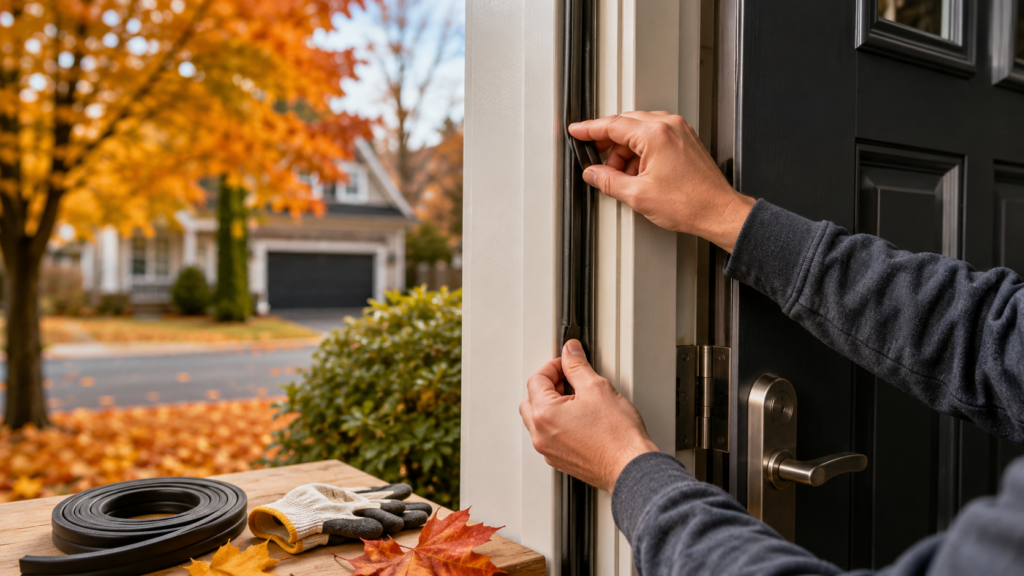
V-Strips (Tension Seals)
V-strip weatherstripping creates spring tension to seal gaps effectively.
Advantages
- Durable
- Excellent for uneven gaps
- Works well in fluctuating temperatures
Door Sweeps
Door sweeps seal the gap beneath doors where major heat loss often occurs.
Benefits
- Prevents cold drafts
- Blocks pests
- Reduces moisture intrusion
- Improves energy efficiency
Proper installation of sweeps and thresholds becomes even more critical when paired with insulated entry systems like storm doors in Nepean designed for harsh Canadian weather.
How Autumn Weatherstripping Reduces Heating Costs
Energy efficiency improvements compound throughout winter. A properly sealed home requires less energy to maintain stable indoor temperatures.
Reduced Furnace Workload
When warm air remains trapped inside, heating systems cycle less frequently. This reduces wear and tear while lowering monthly energy consumption.
Improved Indoor Comfort
Weatherstripping eliminates cold zones near entryways and stabilizes room temperatures throughout the house.
Better Humidity Control
Air leaks contribute to dry indoor air during winter. Sealing gaps helps maintain healthier humidity levels.
Long-Term Savings
Although weatherstripping is relatively inexpensive, the cumulative heating savings over several winters can be substantial.
The ENERGY STAR Canada program also highlights weatherproofing as one of the most cost-effective methods for improving residential energy performance.
Why Autumn Is the Best Time for Door Sealing Projects
Waiting until winter arrives can create complications for homeowners attempting weatherproofing upgrades.
Ideal Installation Temperatures
Adhesives and sealing materials bond more effectively in moderate autumn temperatures.
Prevent Winter Damage Early
Sealing drafts before freezing temperatures arrive prevents ice buildup and moisture intrusion.
Contractor Availability
Fall often provides more scheduling flexibility compared to emergency winter repair season.
Energy Savings Begin Immediately
The earlier weatherstripping is completed, the sooner homeowners begin reducing heating costs.
Many Stittsville homeowners pair autumn weatherproofing with additional exterior improvements such as window replacement services for maximum efficiency gains before winter.
DIY vs Professional Weatherstripping Installation
While some homeowners attempt DIY weatherstripping projects, professional installation often produces longer-lasting and more effective results.
DIY Installation Challenges
Improper Measurements
Incorrect sizing creates ineffective seals.
Wrong Material Selection
Not all weatherstripping performs well in Canadian winters.
Uneven Door Frames
Older homes may require custom sealing adjustments.
Adhesive Failure
Low-quality installation can peel or detach quickly.
Benefits of Professional Installation
Precision Fit
Professionals ensure complete perimeter sealing.
Higher Quality Materials
Commercial-grade products typically last longer.
Energy Efficiency Expertise
Contractors identify hidden air leakage points.
Long-Term Durability
Professional installations withstand repeated seasonal expansion and contraction.
For homeowners already upgrading their building envelope, combining weatherstripping with air sealing and siding improvements significantly boosts winter efficiency.
How Weatherstripping Protects Your Home Beyond Energy Savings
Door weatherstripping offers advantages beyond simply lowering heating costs.
Moisture Protection
Proper seals prevent snowmelt and rain infiltration around thresholds.
Pest Prevention
Small gaps allow insects and rodents to enter during colder months seeking warmth.
Noise Reduction
Weatherstripping helps reduce outdoor noise penetration.
Improved Indoor Air Quality
Sealing gaps limits dust, pollutants, and allergens entering the home.
Enhanced Door Lifespan
Preventing moisture intrusion reduces deterioration around frames and thresholds.
Stittsville Climate Challenges and Door Sealing
Stittsville experiences extreme seasonal weather patterns that place heavy stress on exterior building materials.
Freeze-Thaw Cycles
Repeated expansion and contraction gradually weaken seals.
Heavy Snowfall
Snow accumulation near thresholds increases moisture exposure.
Wind Exposure
Strong winter winds intensify air leakage around improperly sealed doors.
Low Humidity Winters
Cold outdoor air entering homes reduces indoor comfort significantly.
Homeowners preparing for seasonal exterior maintenance should also review fall siding preparation strategies to create a complete winter protection plan.
Additional Energy Upgrades That Complement Weatherstripping
Door weatherstripping becomes even more effective when combined with other energy-saving exterior upgrades.
Insulated Entry Doors
Modern insulated doors dramatically reduce heat transfer.
Triple-Pane Windows
Energy-efficient windows improve thermal performance throughout the home.
Siding Improvements
Insulated siding minimizes wall heat loss.
Proper Attic Insulation
Heat loss through roofing systems can undermine overall efficiency.
House Wrap and Air Barriers
Modern moisture-control systems strengthen thermal protection.
For full-service exterior efficiency upgrades, homeowners often combine weatherproofing with siding and eavestrough services for comprehensive winter readiness.
How Much Does Door Weatherstripping Cost in Stittsville?
Pricing varies depending on:
- Number of doors
- Material selection
- Door condition
- Custom fitting requirements
- Existing damage repairs
Generally, weatherstripping remains one of the most affordable home energy improvements available.
Compared to the long-term heating savings achieved during Ottawa winters, the return on investment is often very favorable.
Choosing the Right Contractor for Weatherstripping Services
Selecting experienced professionals ensures your installation performs properly during extreme winter conditions.
Look For Contractors Who Offer
- Experience with Canadian climates
- Energy efficiency expertise
- High-quality materials
- Detailed inspections
- Exterior renovation knowledge
- Warranty-backed workmanship
A contractor familiar with broader exterior systems understands how doors integrate with siding, windows, insulation, and moisture management systems.
Conclusion
Autumn door weatherstripping in Stittsville is one of the smartest and most cost-effective ways to prepare a home for winter. Eliminating drafts, reducing energy loss, and improving indoor comfort can dramatically improve winter living conditions while lowering heating expenses.
As Ottawa-region winters continue bringing harsh cold, heavy snow, and freeze-thaw stress, properly sealed doors become an essential component of a high-performing home. Whether upgrading aging seals, installing modern door sweeps, or combining weatherstripping with larger exterior renovations, proactive fall preparation pays dividends throughout the entire winter season.
Homeowners looking to maximize comfort, protect their property, and improve energy efficiency should prioritize weatherstripping before temperatures drop. Small upgrades completed during autumn often prevent major energy waste and costly winter discomfort later in the season.
For complete exterior winter readiness solutions, homeowners can also explore professional exterior renovation services tailored for Ottawa and Stittsville properties.
Frequently Asked Questions
How long does door weatherstripping last?
Most high-quality weatherstripping materials last between 5 to 10 years depending on exposure, usage frequency, and installation quality.
Can weatherstripping really lower heating bills?
Yes. Properly sealed doors reduce heat loss significantly, lowering furnace workload and monthly energy consumption.
What is the best weatherstripping material for Ottawa winters?
Rubber and V-strip weatherstripping generally perform best in freezing temperatures due to their flexibility and durability.
Should I replace weatherstripping every autumn?
Not necessarily. However, annual inspections before winter are strongly recommended to identify wear or damage early.
Can weatherstripping help with noise reduction?
Yes. Sealing air gaps around doors also reduces outside noise penetration, improving indoor comfort.