Nepean homeowners know better than most that exterior doors do not face mild conditions for very long. Between bitter winter winds, blowing snow, spring rain, summer heat, and sudden temperature swings, the front entry system of a home takes constant abuse. That is exactly why storm doors in Nepean are more than a cosmetic add-on. They are a practical weather protection layer that helps defend the primary entry door, improve comfort, reduce drafts, and add useful everyday function to the home.
A properly selected storm door creates a second barrier between the outdoors and the interior of the house. That extra layer matters in a climate like Nepean’s, where freeze-thaw cycles, moisture exposure, and seasonal wind can wear down exterior materials faster than many homeowners expect. Whether the goal is to protect a front entry door, allow more ventilation in warmer months, or improve energy performance around the entrance, storm doors can play an important role in a well-designed exterior system.
For homes in Nepean, storm doors are especially valuable because they work best when considered as part of a broader exterior envelope. That includes siding, trim, windows, eavestrough performance, and proper door installation details. Homeowners already thinking about exterior upgrades often pair storm door planning with windows and doors installation service improvements to create a more durable and better-sealed front entry.
What Is a Storm Door and Why Does It Matter in Nepean?
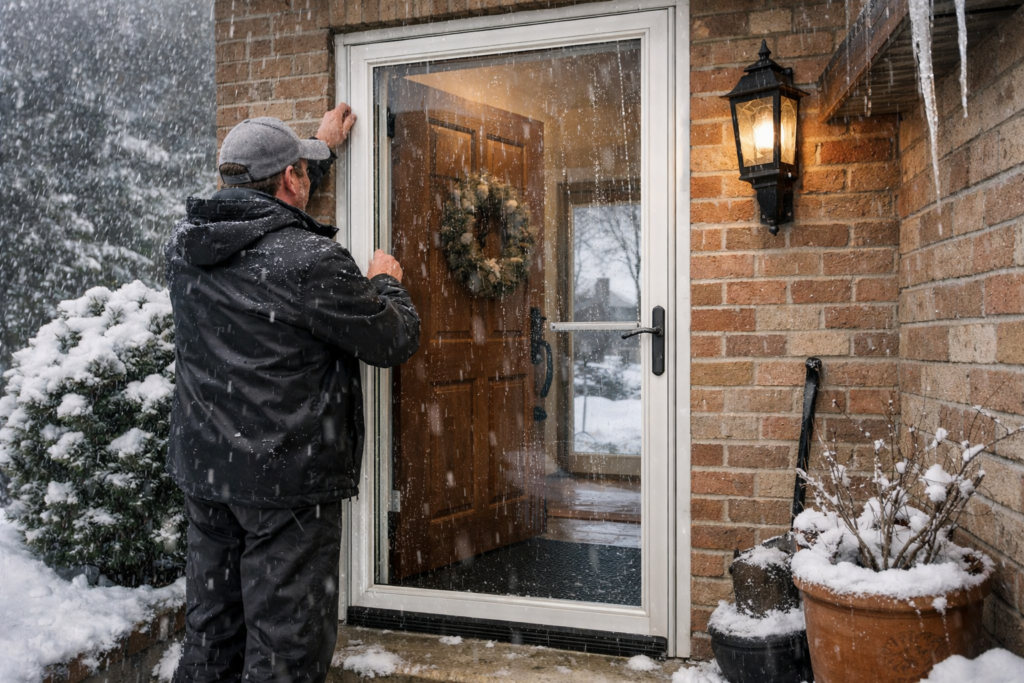
A storm door is a secondary exterior door installed in front of the main entry door. It is designed to provide an additional shield against weather while often including glass, screen, or interchangeable panels for ventilation and seasonal flexibility. In simple terms, it acts as a buffer zone between the outdoors and the primary door.
In Nepean, that buffer is valuable for several reasons. During winter, a storm door helps reduce direct wind pressure against the main entry door. During rainy seasons, it helps minimize the amount of water hitting the primary slab, frame, and threshold. In warmer weather, many storm doors allow homeowners to open the main door while keeping airflow moving through a screened outer layer.
That combination of protection and flexibility is the reason storm doors remain popular in cold-climate residential construction and renovation. They help preserve the condition of the main door, which is often one of the most visible and expensive design features on the front of a home. Wood doors, painted fiberglass doors, and decorative steel doors all benefit from having a secondary protective layer in front of them.
The Real Weather Challenges Facing Entry Doors in Nepean
Nepean homes deal with a demanding climate profile. Exterior doors are regularly exposed to:
Wind-Driven Rain
Rain rarely falls straight down for long. In exposed neighborhoods, wind can force water against door frames, sill areas, and side trim. Over time, that moisture can contribute to paint breakdown, swelling, rot in surrounding wood components, and seal failure.
Snow and Ice Build-Up
Snow accumulation around front steps and landings can trap moisture against the threshold area. Ice formation can also increase stress on lower door components and weatherstripping.
Freeze-Thaw Expansion
Repeated freezing and thawing causes materials to expand and contract. This movement can weaken caulking, fasteners, painted finishes, and frame seals over time.
UV Exposure and Summer Heat
South-facing doors can take heavy sun exposure during summer. UV rays can fade finishes, while heat can accelerate wear on paints, stains, and some lower-grade materials.
Air Leakage and Drafts
Even a quality main door can lose performance if the surrounding frame is aging or the entry area is exposed to persistent wind. A storm door adds an extra pocket of air protection that can reduce that direct exposure.
For this reason, homeowners comparing front-entry upgrades should think beyond style alone. A storm door is one of the most practical exterior improvements for homes that experience high seasonal stress.
How Storm Doors Protect Your Primary Entry Door
The biggest benefit of a storm door is exactly what its name suggests: protection. It helps shield the main entry door from the kind of wear that shortens service life.
A quality storm door reduces direct contact between weather and the primary door surface. That means less rain hitting the finish, less snow drifting into vulnerable edges, less UV damage on decorative coatings, and less day-to-day dirt buildup. If the main door is made of wood or has glass inserts with decorative trim, the added protection becomes even more important.
Storm doors also reduce how often the main door’s weather seals are forced to take the full pressure of wind and cold air. The result can be slower wear on gaskets, thresholds, sweeps, and frame edges. For homeowners who have invested in an upgraded front entry or are considering a related window replacement company in Ottawa project to improve the home’s overall exterior performance, protecting those investments makes practical and financial sense.
Energy Efficiency Benefits of Storm Doors in Nepean
Storm doors are not a substitute for a high-performance insulated entry door, but they can absolutely improve the overall thermal performance of the entrance area. Their biggest energy contribution comes from reducing direct exposure and helping limit drafts around the primary door.
A Second Barrier Against Heat Loss
In winter, cold air pushing directly against the main door can increase heat transfer and make the entry feel uncomfortable. A storm door creates a small insulated air space that helps moderate that effect. The result is often a more comfortable foyer or front hall, especially in homes where the primary door is older.
Better Control of Drafts
Many homeowners blame general cold weather for front-door discomfort when the bigger issue is air infiltration. If wind is pushing through worn seals, misaligned thresholds, or aging frame details, a storm door helps reduce the intensity of that air movement.
Improved Seasonal Ventilation
In spring and summer, a storm door with an integrated screen can support natural airflow. That lets homeowners open the main door for fresh air without compromising security or inviting insects indoors. This is particularly useful in shoulder seasons when homeowners want to cool the house naturally before relying on mechanical systems.
For homeowners looking at broader envelope performance, energy efficiency works best when doors, siding, trim, and insulation details all work together. That is why many entry-upgrade discussions overlap with guidance on energy-efficient window replacement in Kanata and similar exterior improvement strategies across the Ottawa region.
Best Types of Storm Doors for Nepean Homes
Not all storm doors are equal. The best choice depends on the location of the entry, the level of exposure, the style of the home, and how the door will be used.
Full-View Storm Doors
These feature a large glass panel and are ideal when homeowners want to showcase a decorative main door. They are popular for front entries where curb appeal matters. Many full-view models include interchangeable screen inserts or retractable screens.
Ventilating Storm Doors
These are built for homes where airflow matters. They allow part of the glass to move or convert, creating flexible ventilation during warm weather.
Security Storm Doors
These are heavier-duty options designed with reinforced frames, stronger hardware, and in some cases decorative metalwork. They suit homeowners who want both weather protection and an added sense of entry security.
Mid-View and High-View Storm Doors
These offer a balance of glass, screen, and solid panel construction. They can be a smart fit for side entrances, back doors, or homes where durability is more important than maximizing glass area.
Retractable Screen Storm Doors
These are especially useful for homeowners who want the visual look of a full glass door but also want screen ventilation without removing panels seasonally.
Choosing the Right Material for Long-Term Performance
Material quality matters greatly in Nepean’s climate. A storm door must be able to resist moisture, temperature shifts, and repeated use.
Aluminum Storm Doors
Aluminum is a very common choice because it is lightweight, rust-resistant, and available in a wide range of finishes. Higher-quality aluminum doors perform well in wet and cold conditions, especially when paired with durable hardware.
Steel Storm Doors
Steel can offer greater strength and security, though finish quality matters. If coatings are damaged and maintenance is neglected, rust can become a concern over time.
Composite Components
Some premium storm doors use composite frame elements or insulated cores for better long-term durability and reduced maintenance.
For most Nepean homes, the best option is not simply the cheapest product on the shelf. It is the one with strong frame construction, dependable closers, quality weatherstripping, and proper installation.
Why Proper Installation Matters More Than Homeowners Think
A storm door can only perform as well as it is installed. Poor installation leads to sticking, air gaps, water entry, sagging, and premature hardware wear. In many cases, homeowners who believe storm doors “do not last” are actually dealing with installation defects rather than product failure.
Correct installation includes:
Accurate Frame Measurement
Storm doors must fit the opening precisely. Gaps or misalignment reduce weather resistance and create stress on hinges and latches.
Solid Fastening Into Stable Material
The door frame must be attached securely into sound structure, not loose trim or deteriorated wood.
Threshold and Sweep Alignment
If the bottom seal does not sit correctly, water and drafts can still enter.
Closer Adjustment
A storm door should close smoothly and latch reliably without slamming. Proper adjustment improves both usability and long-term hardware life.
Integration With Existing Trim and Main Door Swing
Not every entry can take every storm door style. Clearance, brickmould depth, handle interference, and step geometry all matter.
This is why homeowners in Nepean often benefit from working with professionals familiar with professional door installation in Nepean, rather than treating the door as a simple retail add-on.
Signs Your Home in Nepean Could Benefit From a Storm Door
Many homes are good candidates for storm doors, but certain warning signs make the need clearer.
Your Main Entry Door Is Exposed
If the front entry has little roof overhang or sits directly in the path of wind and rain, the door is taking full weather impact year-round.
You Feel Drafts Near the Front Door
Even if the main door still functions, a storm door can add noticeable comfort by reducing wind exposure.
Your Existing Door Finish Is Wearing Too Quickly
Peeling paint, fading stain, or repeated maintenance can be a sign that the entry needs added protection.
You Want Seasonal Ventilation
Storm doors with screens allow homeowners to enjoy fresh air without leaving the home open to bugs or debris.
You Are Upgrading Curb Appeal
Storm doors are available in many styles and finishes that complement traditional, contemporary, and transitional home designs.
Storm Doors and Curb Appeal in Nepean Neighborhoods
A well-chosen storm door should not look like an afterthought. It should support the architecture of the home and enhance the appearance of the entryway. In many Nepean neighborhoods, where homes range from classic family houses to more updated suburban exteriors, storm doors can be chosen to match trim color, hardware finish, and glazing style.
A slim-profile full-view storm door can preserve the beauty of a decorative front door while adding protection. A stronger framed design may suit homes where practicality is the priority. Black hardware, clean lines, and unobtrusive closers tend to create a more premium finish than bulky, outdated designs.
The visual impact is even stronger when storm door selection is coordinated with siding, soffit, fascia, windows, and front step improvements. Homeowners who are already reviewing exterior condition after rough weather should also review a storm damage checklist for your home’s exterior to identify related vulnerabilities around trim, water management, and exposed entry components.
Maintenance Tips for Long-Lasting Storm Doors
Storm doors are relatively low maintenance, but they still benefit from regular care.
Clean the Glass and Frame
Dirt, salt, and moisture residue can accumulate over time, especially through winter and spring.
Inspect Weatherstripping
Worn or compressed seals reduce the door’s performance and can let in drafts.
Check Hinges and Closers
Hardware should move smoothly and hold alignment. Loose screws should be corrected early before they enlarge attachment holes.
Lubricate Moving Parts
Latch mechanisms and hinges last longer and operate better when lightly maintained.
Watch for Frame Movement
If the door starts rubbing, sticking, or failing to latch, it may signal mounting shift or surrounding trim problems.
Should You Replace an Old Storm Door or Repair It?
A repair may be sufficient if the issue is minor, such as replacing weatherstripping, adjusting a closer, or fixing a latch. But replacement is often the smarter option when:
- the frame is bent or sagging
- the glass is damaged
- the finish is failing badly
- the door no longer seals properly
- multiple hardware components are worn out
- the style looks dated and hurts curb appeal
A new storm door often provides better function, better appearance, and a cleaner seal than trying to stretch the life of an old unit that has already passed its prime.
Storm Doors as Part of a Smarter Exterior Upgrade Strategy
Storm doors work best when they are not treated as an isolated purchase. The most durable homes in Nepean are the ones where the entire exterior system works together: siding sheds water properly, trim is sealed correctly, eavestroughs manage runoff, windows are integrated well, and doors are protected from direct exposure whenever possible.
That is why storm doors are such a practical upgrade. They are comparatively affordable, highly functional, and capable of protecting a much more expensive primary entry door. They support comfort, weather resistance, ventilation, and overall exterior durability in a way that homeowners notice both immediately and over the long term.
Why Storm Doors in Nepean Make Practical Sense
For Nepean homeowners, a storm door is not just another exterior accessory. It is a useful protection layer built for real weather conditions. It helps reduce exposure, supports comfort at the front entry, improves ventilation options, and protects the appearance and service life of the main door behind it.
When selected carefully and installed correctly, storm doors offer a strong return in everyday usability and long-term preservation. They make homes feel more resilient because they are more resilient. In a climate where weather is rarely gentle for long, that extra layer can make a meaningful difference.
FAQs About Storm Doors in Nepean
1. Are storm doors worth it in Nepean’s climate?
Yes. Nepean’s mix of wind, rain, snow, and freeze-thaw cycles makes storm doors highly practical. They help protect the main door, reduce direct weather exposure, and improve everyday comfort.
2. Do storm doors help lower energy costs?
They can help reduce drafts and improve the comfort of the entry area. While they are not a replacement for a high-performance insulated main door, they can support overall energy efficiency by adding a second protective barrier.
3. Can a storm door be installed on any front entrance?
Not always. The entry must have the right clearance, trim depth, and swing compatibility. Hardware placement and step configuration also matter. A professional assessment is the best way to confirm fit.
4. What is the best storm door style for a front entrance?
For many homes, a full-view storm door is popular because it protects the main door while preserving curb appeal. For homeowners who want more airflow, a ventilating or retractable-screen model can be a better match.
5. How long does a quality storm door last?
A well-made and properly installed storm door can last many years. Longevity depends on product quality, exposure level, hardware durability, and regular maintenance.
Conclusion
Storm doors in Nepean deliver one of the simplest and smartest forms of exterior protection available to homeowners. They add a weather-resistant layer where homes need it most: at the front line of wind, rain, snow, and temperature extremes. They protect the main entry door, help with comfort, support airflow in warmer months, and contribute to a cleaner, more durable exterior system overall.
For homeowners planning upgrades to doors, windows, or other exterior elements, storm doors deserve serious consideration. To discuss the right solution for your home, exposure level, and entry style, visit the contact page.