

Understanding the Lifespan of Siding: A Crucial Investment for Your Home
Your home’s siding isn’t just decorative — it’s a first line of defense against Ottawa’s fierce winters, humid summers, and sudden rainstorms. Yet, many homeowners don’t consider how long siding really lasts until cracks, warping, or energy inefficiency become undeniable.
The truth? Siding lifespans vary wildly depending on the material, climate, and most importantly — maintenance.
This comprehensive guide breaks down the longevity of each siding type, real signs of aging, and how to make smart, lasting upgrades that protect your home and increase its value.
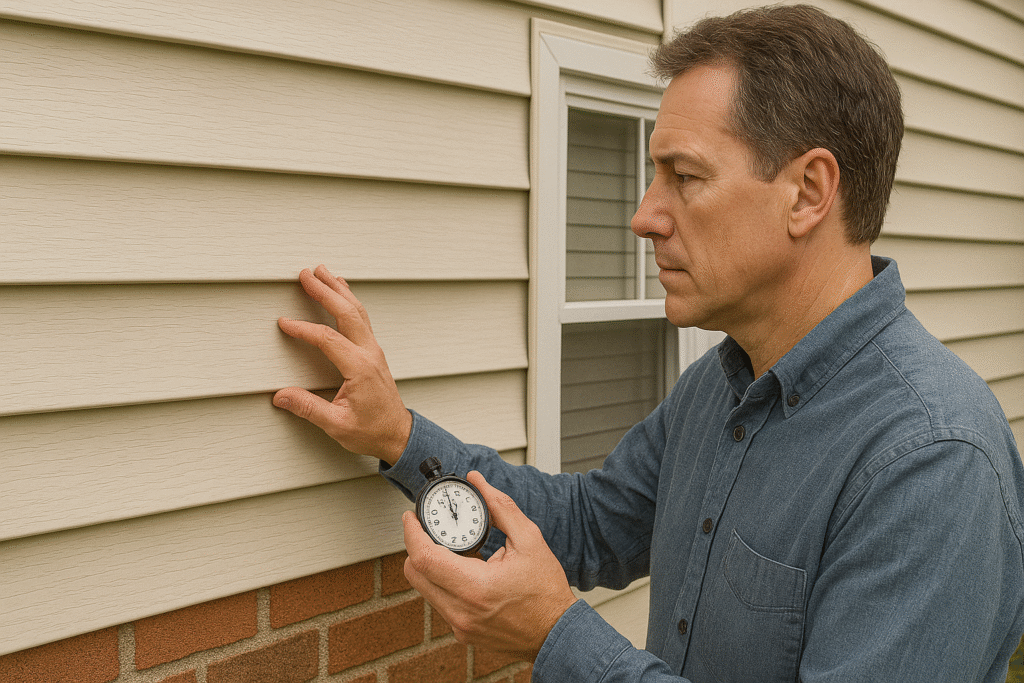
Vinyl Siding: Affordable & Low Maintenance Lifespan (20–40 Years)
Vinyl siding is one of the most common materials in Canada — and for good reason. It’s affordable, comes in a range of styles, and resists moisture better than many natural options.
What Impacts Vinyl’s Lifespan?
- Climate: Ottawa’s freeze-thaw cycles can cause expansion and contraction.
- Sun Exposure: Prolonged UV exposure fades darker vinyls faster.
- Maintenance: Proper cleaning and avoiding harsh impacts can help it last up to 40 years.
If you’re using energy-efficient vinyl siding, you’re also protecting your home from moisture damage while reducing heating bills.
👉 Still unsure about vinyl? See this comparison of vinyl vs wood siding to make the best decision for your home.
Wood Siding: Natural Beauty With a Shorter Lifespan (15–30 Years)
Wood siding offers classic charm, especially in Ottawa’s heritage neighborhoods, but it demands a lot more care.
What Shortens Wood Siding’s Life?
- Rot and Insects: Without treatment, moisture and pests are a constant threat.
- Paint & Seal Maintenance: Repainting every 5–7 years is essential.
- Cracking and Warping: Especially in fluctuating Ottawa weather.
If maintained meticulously, it can last up to 30 years — but that comes with significant effort and cost.
Considering wood? Explore the pros and cons of wood vs engineered wood siding in Ottawa before making a long-term investment.
Fiber Cement Siding: Built to Last (30–50 Years)
A favorite among modern homeowners, fiber cement offers a blend of durability and minimal maintenance. It mimics the look of wood, resists fire, and handles harsh Canadian winters exceptionally well.
Why It Lasts So Long
- Rot-Resistant: Doesn’t warp or swell like wood.
- Pest-Proof: Termites won’t bother with cement.
- Paint Holds Well: Can go 10+ years without repainting.
With proper installation by a siding expert, fiber cement can remain durable for decades, making it one of the best long-term siding materials available.
Aluminum Siding: A Classic Option (30–50 Years)
While not as common in new builds, aluminum siding still holds strong for its resistance to fire, insects, and mildew. It’s a favorite for homeowners looking for a lightweight but protective barrier.
Downsides to Consider
- Dents Easily: Storms or fallen branches can leave lasting damage.
- Paint Fading: Aluminum tends to chalk and fade over time.
Maintenance and repainting help maintain its look, but newer alternatives offer more modern aesthetic options.
Considering aluminum? Learn if it’s the right fit in our breakdown: Is Vinyl Siding Better Than Aluminum?
Engineered Wood: Modern Strength with Natural Appeal (25–40 Years)
Engineered wood siding blends the beauty of traditional wood with modern enhancements. Made of compressed wood fibers and resin, it’s treated to resist rot and insects — a major win for longevity.
Why Homeowners Love It
- Lighter than fiber cement
- Pre-primed and paint-ready
- Can be installed faster and with fewer labor costs
It sits in the sweet spot of aesthetics, affordability, and durability.
Stucco Siding: A Long-Term Investment (50+ Years With Maintenance)
Although more popular in warmer climates, stucco is used on some Ottawa homes — particularly custom builds. Its cement-like finish stands up well to moisture and fire, but requires vigilant care.
What to Watch For
- Hairline cracks: Can let moisture in if not sealed quickly.
- Needs repainting: Every 10 years on average.
For an in-depth look at modern Ottawa siding materials, review our Ultimate Guide to Choosing the Best Siding.
When Should You Replace Your Siding? Key Signs to Watch
Even the most durable siding won’t last forever. Here are the most common signs that indicate it’s time for replacement:
1. Warping or Buckling
Usually caused by moisture penetration or poor installation, these signs are most common in vinyl and wood siding.
2. Cracks and Holes
Not just unsightly — cracks can let in pests and moisture, weakening your structure.
3. Mold and Mildew
Often found at the base of the siding where water accumulates. A clear sign of internal moisture problems.
4. Faded Color
While not necessarily structural, excessive fading indicates UV wear and that your siding may be nearing the end of its life.
5. High Energy Bills
Old or damaged siding lets drafts in. If you notice heating and cooling inefficiencies, it could be time for an inspection.
For a more detailed list, review our article: Top 5 Signs It’s Time to Replace Your Siding
How to Extend the Life of Your Siding
Maintaining your siding is the easiest way to stretch its lifespan — no matter the material.
Routine Cleaning
- Use a soft brush or pressure washer annually to remove dirt and mold.
- Avoid harsh chemicals on vinyl and aluminum.
Seal Gaps Immediately
- Replace caulking around windows and doors.
- Prevent water infiltration before it becomes a larger problem.
Paint and Repaint as Required
- Wood and aluminum siding benefit most from regular paint jobs.
- Use quality, UV-resistant paints to slow fading.
Explore Siding Maintenance Tips for Every Season to protect your home year-round.
Choosing the Right Siding Contractor in Ottawa
Installation quality has a massive impact on siding longevity. Even the best materials won’t last if installed improperly.
Always:
- Check references and online reviews.
- Ask for warranties.
- Ensure they are familiar with Ottawa’s specific climate.
Need help finding a trusted pro? Read our detailed list of Top 10 Siding Installers in Ottawa 2025.
Lifespan Summary Table: How Long Does Each Siding Type Last?
| Siding Material | Lifespan | Maintenance Level | Cost (Approx.) |
|---|---|---|---|
| Vinyl | 20–40 years | Low | $ |
| Wood | 15–30 years | High | $$ |
| Fiber Cement | 30–50 years | Medium | $$–$$$ |
| Aluminum | 30–50 years | Medium | $–$$ |
| Engineered Wood | 25–40 years | Medium | $$ |
| Stucco | 50+ years | High | $$$ |
Final Thoughts: Make Your Siding Last Longer
Understanding how long siding lasts allows you to plan financially, protect your investment, and avoid sudden repair costs. Whether you’re eyeing a modern fiber cement upgrade or wondering if your faded vinyl is still doing its job — knowledge is power.
When you’re ready to invest in long-lasting siding and expert installation, trust the professionals who know Ottawa homes best.
👉 Contact Kaloozie Comfort Today for a free quote and expert consultation on your siding needs.

