WHAT’S A “KALOOZIE”?
We’ve been asked many times and are proud to tell each time. Several years ago when we wanted to brand ourselves with a name we could truly stand behind, we came up with Kaloozie!
Kaloozie is an anagram of our 3 grand-daughters names. Our logo depicts the 3 girls holding hands.
Kaloozie Comfort is a family business, proudly owned and operated by Nana and Papa!
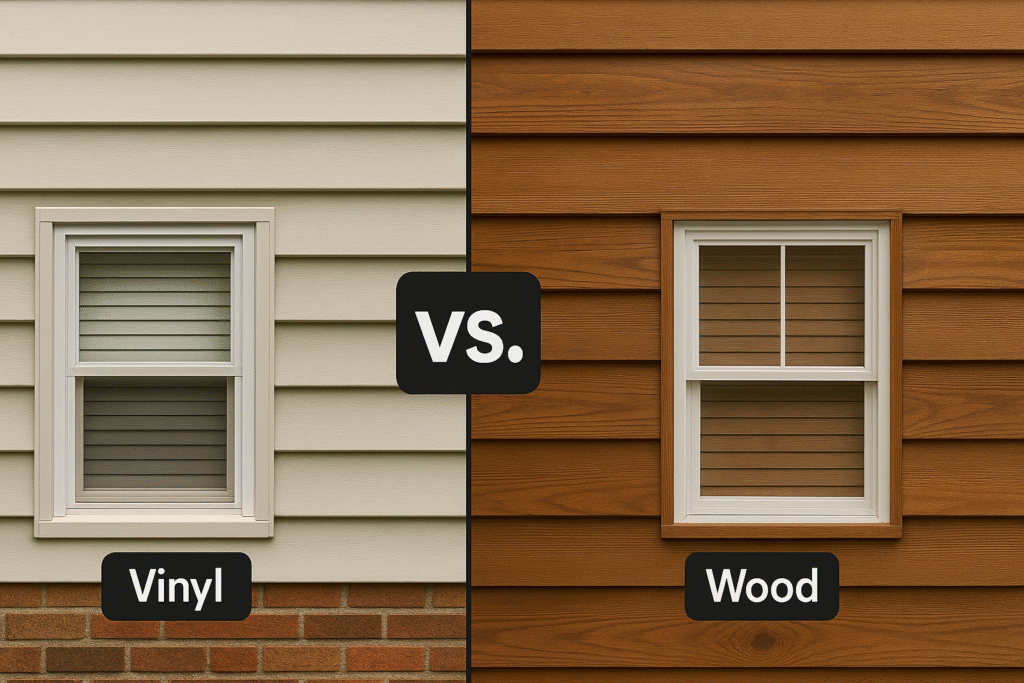
When it comes to choosing the right siding material for your Ottawa home, the debate often boils down to two popular contenders: vinyl vs. wood siding. Both have their strengths, drawbacks, and loyal fanbases. But which is truly right for your home — factoring in Ottawa’s climate, aesthetic preferences, long-term costs, and maintenance?
This in-depth guide compares vinyl and wood siding across all the key decision points to help you make a confident, cost-effective, and stylish choice.
What Is Vinyl Siding?
Vinyl siding is made from polyvinyl chloride (PVC) and is one of the most common exterior cladding materials used across Canada. It comes in a variety of colors, textures, and styles — from smooth panels to shake-like finishes.
Advantages of Vinyl Siding
Cost-Effective: Vinyl is one of the most affordable siding materials available.
Low Maintenance: Requires only occasional washing with soap and water.
Weather-Resistant: Performs well in Ottawa’s freeze-thaw cycles.
Variety of Styles: Available in shakes, shingles, and even imitation woodgrain.
Less Natural Appearance: Although modern versions imitate wood well, it doesn’t offer the same authenticity.
May Crack or Warp: Especially if installed improperly or exposed to extreme heat.
Color Fading Over Time: Lower-end vinyl may discolor after years in harsh sun.
What Is Wood Siding?
Wood siding includes a range of natural materials like cedar, pine, redwood, and engineered wood products. Its warm, rustic, and timeless charm makes it a favorite for homeowners looking for character and curb appeal.
Advantages of Wood Siding
Natural Beauty: Offers unmatched charm and traditional appeal.
Eco-Friendly: Biodegradable and often sourced sustainably.
Customizable: Easily painted or stained to any color.
Repairable: Damaged sections can be replaced without redoing entire walls.
Disadvantages of Wood Siding
High Maintenance: Requires regular sealing or painting.
Susceptible to Moisture & Insects: Especially in damp Ottawa winters.
Higher Installation & Material Cost: More expensive than vinyl.
Fire Risk: Less resistant to fire unless specially treated.
Vinyl can withstand Ottawa’s intense winters, heavy snow, and moisture without rotting or warping. However, it can become brittle in sub-zero temperatures and may crack if hit by flying debris or hail.
Wood Siding Durability
While wood is durable, it’s vulnerable to water damage, especially during prolonged exposure to snow and freezing rain. Without routine care and sealing, moisture can penetrate and lead to rot or mold.
On average, vinyl siding costs between $6 to $11 per square foot installed. It’s a budget-friendly choice for homeowners looking for value and lower upfront expenses.
Wood Siding Cost
Expect to pay $10 to $20 per square foot or more, depending on the wood type. Cedar and redwood are premium materials, increasing the cost considerably.
Modern vinyl siding options come in realistic wood grain textures, multiple profiles, and bold color palettes. While it may not fully replicate wood, it offers a good balance of style and simplicity.
Wood Appearance
The rich, organic texture of natural wood siding is hard to match. With endless paint and stain options, it’s ideal for homeowners wanting a highly customized exterior.
Eco-Friendliness & Sustainability
Vinyl Siding Sustainability
Vinyl is petroleum-based, and while it can last for decades, it’s not biodegradable. Some manufacturers offer recyclable vinyl options and LEED-compliant products.
Wood Siding Sustainability
Wood is renewable and biodegradable, making it a greener option when sourced responsibly. Look for FSC-certified wood to ensure sustainable harvesting practices.
Vinyl siding is typically quicker and cheaper to install, often taking just a few days for an average-sized home. Wood siding requires more precise craftsmanship, especially if custom cuts or finishes are needed.
Vinyl Siding Lifespan: 25–40 years with minimal upkeep
Wood Siding Lifespan: 20–30 years (up to 50 with exceptional care)
While wood siding can boost home value due to its premium appeal, vinyl provides strong ROI due to its affordability and longevity.
Which One Is Best for Ottawa Homes?
If you value:
Affordability
Low maintenance
Weather resistance
👉 Vinyl siding is the practical winner. It’s an ideal match for Ottawa’s variable weather, and modern options mimic the look of wood closely enough for most homeowners.
If you prioritize:
Timeless aesthetic
Natural materials
Customization potential
👉 Wood siding might be your choice — just be prepared for ongoing maintenance and a higher investment.
Conclusion: Final Thoughts on Choosing Between Vinyl and Wood
Your home is your most valuable asset. The right siding material will not only enhance its curb appeal but also protect it for decades to come. While vinyl siding wins on durability, price, and ease of care, wood siding continues to attract homeowners who love its unmatched warmth and beauty.
For the Ottawa climate, vinyl provides the most cost-effective and climate-resilient solution, while wood suits those seeking high-end aesthetics and are prepared for upkeep.
Looking to Replace Your Siding in Ottawa?
Whether you’re leaning toward vinyl or wood, the next step is finding a trusted expert. At Kaloozie Comfort, we specialize in residential siding services in Ottawa, offering a wide variety of options to fit every budget and style.
Let’s talk about your home exterior upgrade needs — Contact us here for a free consultation today.