Kanata homeowners know exactly what an Ottawa-area climate can do to a house. Bitter winter wind, freeze-thaw cycles, long heating seasons, summer humidity, wind-driven rain, and sudden temperature swings put constant pressure on exterior walls. When siding is old, poorly installed, thin, cracked, or simply outdated, the house does not just look tired from the curb. It often becomes harder to heat, less comfortable near exterior walls, and more vulnerable to moisture intrusion and long-term structural wear.
That is why insulated siding installation in Kanata has become a smart upgrade for homeowners who want more than a cosmetic improvement. Properly selected and professionally installed insulated siding can help reduce thermal bridging, improve wall performance, support better indoor comfort, and give a home a cleaner, more finished appearance. It is one of the few exterior upgrades that can enhance energy performance, visual appeal, resale perception, and weather protection at the same time.
For homes in Kanata, where winter efficiency matters and exterior durability is not optional, insulated siding is not simply about cladding the house with a nicer material. It is about improving the building envelope in a practical, measurable way. Homeowners who are planning a full exterior upgrade often start by understanding the benefits of insulated siding for your home, because the right system can address comfort issues that have existed for years without being properly diagnosed.
Why Insulated Siding Matters More in Kanata Than in Mild Climates
Kanata homes experience real seasonal stress. During winter, heated indoor air constantly tries to escape through walls, seams, penetrations, and poorly protected exterior assemblies. During summer, solar heat and humidity can add their own strain. Standard siding gives a home a finished outer shell, but insulated siding adds another performance layer that helps slow energy loss and protect the wall system more effectively.
This matters because many homes lose efficiency not only through attics and windows, but also through wall assemblies that are underperforming. Even when insulation exists inside the walls, there can still be heat transfer through studs and framing members. Insulated siding helps create a more continuous thermal layer over the exterior, reducing some of that unwanted energy movement.
For Kanata homeowners, the results can be felt in ways that go beyond utility bills. Rooms near outside walls often feel less drafty. Temperature differences from one level of the house to another can become less dramatic. The home can feel quieter and more solid. Exterior walls may be less prone to condensation-related issues when the overall assembly is upgraded correctly. These are the kinds of real-life performance improvements that matter in a climate where exterior materials are constantly being tested.
What Insulated Siding Actually Is
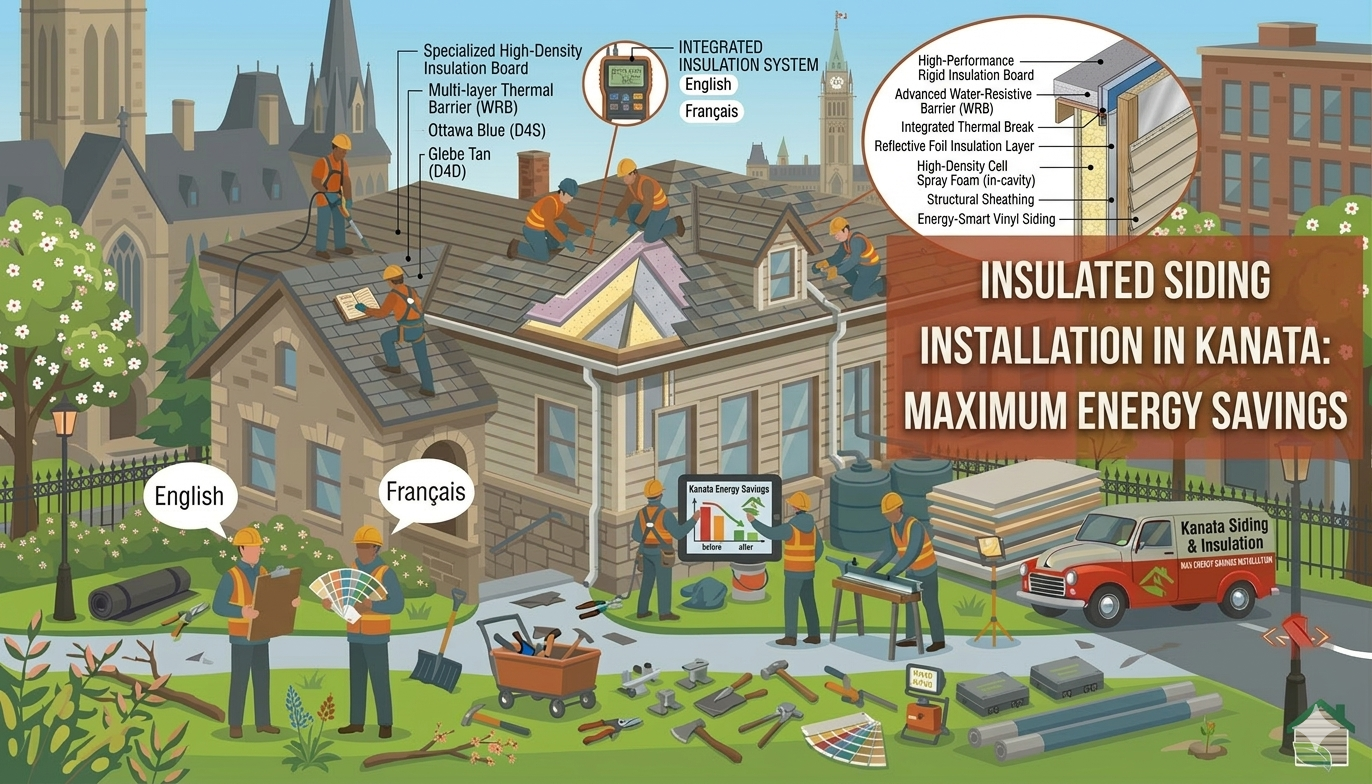
Insulated siding is typically a siding product, often vinyl-based, that includes a rigid foam insulation backing bonded or fitted behind the visible panel. The purpose is not to replace full wall insulation, but to add a thermal and structural enhancement to the cladding system.
That added backing can help in several ways:
- It supports the siding panel so it sits straighter and more rigidly
- It reduces some heat transfer through the wall assembly
- It can improve impact resistance compared to hollow-back siding
- It helps the finished exterior look smoother and more substantial
- It contributes to better overall comfort when paired with proper installation details
Insulated siding is not a miracle product, but it is a legitimate upgrade when combined with good planning, proper flashing, sound moisture management, and competent installation. Homeowners comparing products should not focus only on brochure claims. They should evaluate how the siding system works with house wrap, trim, ventilation, fasteners, window details, and wall condition before installation begins.
A practical first step is reviewing broader material options through a guide like the ultimate guide to choosing the best siding for your home, because the best-performing exterior is the one that fits the home’s design, budget, climate demands, and maintenance expectations.
How Insulated Siding Improves Energy Savings
The phrase “maximum energy savings” gets attention for a reason, but it should be understood correctly. Insulated siding does not turn an average house into a passive home on its own. What it does is strengthen the exterior shell and improve the efficiency of the wall assembly in a way that can contribute to lower heating demands and better comfort over time.
Reduced Thermal Bridging
Thermal bridging happens when heat travels through framing members and other less-insulated parts of a wall. Even homes with cavity insulation can still lose energy through these pathways. Insulated siding adds a continuous layer over much of the exterior, helping reduce some of that heat movement.
Improved Air-Tightness Support
Siding itself is not the main air barrier, but a full exterior renovation often exposes weaknesses around trims, penetrations, and transitions. During a proper insulated siding installation, those vulnerable areas can be addressed. That means less cold air infiltration and fewer drafts.
Better Wall Temperature Stability
Exterior walls exposed to Kanata winters can become cold enough to affect indoor comfort, especially near sitting areas, bedrooms, and finished basements above grade. Insulated siding can help moderate wall surface temperatures, which improves day-to-day comfort.
More Efficient HVAC Performance
When the exterior shell performs better, the heating and cooling system does not have to work as aggressively to maintain stable indoor conditions. Over time, that can support lower energy use and reduce strain on the equipment.
Homeowners interested in the science behind exterior efficiency can also explore Natural Resources Canada’s home energy efficiency resources, which explain how envelope upgrades support better whole-home performance.
Why Kanata Homes Are Good Candidates for Insulated Siding
Kanata has a wide mix of homes, from older detached houses and split-level properties to newer suburban builds and executive homes. Many of these properties can benefit from insulated siding, but some stand out more than others.
Older homes with aging siding, inconsistent comfort, or rising heating costs are especially strong candidates. Homes with faded aluminum, cracked vinyl, or repeated repainting cycles often reach a point where patch repairs stop making financial sense. Houses with rooms that feel cold near exterior walls can also benefit from a more robust cladding system.
Even newer homes may be worth upgrading if the builder-grade siding is thin, loosely fitted, or visually underwhelming. Some homeowners in Kanata also pursue insulated siding for curb appeal and resale value, especially when the goal is to modernize the exterior without taking on a full masonry project.
If the home has visible issues such as warping, storm damage, moisture staining, mold risk, or repeated drafts, the question is often no longer whether siding should be addressed, but whether repair is enough. In many cases, siding repair in Ottawa: when to fix vs replace becomes the key decision point.
The Biggest Installation Mistakes That Kill Energy Performance
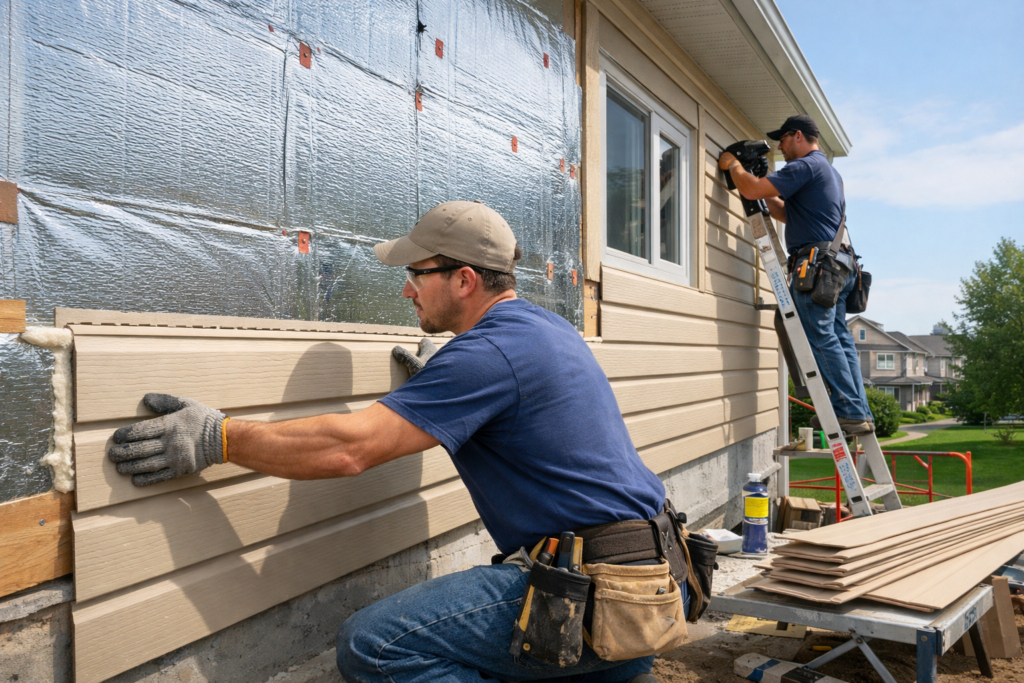
Insulated siding only performs well when the installation is done properly. A premium product installed badly can still lead to leaks, drafts, movement, and disappointing results. In Kanata, where exterior systems must survive winter stress, workmanship matters as much as material quality.
Ignoring the Condition of the Wall Beneath
New siding should not hide rotten sheathing, trapped moisture, or failed flashing. If the underlying structure is compromised, the new exterior may look great for a while but fail early.
Poor Flashing Around Windows, Doors, and Rooflines
These transition areas are where water problems often begin. Correct flashing and trim integration are essential for long-term performance.
Skipping Moisture Management Details
A siding system must shed water, allow drying where appropriate, and work with the rest of the wall assembly. Installing insulated siding without respecting drainage principles is a serious mistake.
Improper Fastening and Panel Allowance
Siding expands and contracts. Panels that are nailed too tightly or installed without correct movement tolerance can buckle, warp, or distort.
Treating Energy Efficiency as a Sales Slogan
Maximum energy savings do not come from product labels alone. They come from a system approach: good materials, correct prep, professional detailing, and a contractor who understands cold-climate exterior assemblies.
That is one reason many homeowners prefer working with a specialist rather than a general handyman approach. Choosing a qualified siding contractor in Ottawa improves the odds that the home will be protected properly from the first course to the final trim piece.
Insulated Siding vs Standard Vinyl Siding
Standard vinyl siding remains popular because it is affordable, low maintenance, and widely available. But insulated siding offers advantages that many Kanata homeowners find worthwhile, especially when energy performance and finish quality are priorities.
Appearance
Insulated siding often sits flatter and looks more refined because the foam backing supports the profile. This can reduce the hollow or wavering look sometimes seen with basic vinyl.
Durability
Because the panels are supported, insulated siding can provide better resistance to everyday impacts and visual distortion.
Comfort
This is where insulated siding pulls ahead. It adds another thermal layer that can improve the feel of the home, especially during Ottawa’s cold months.
Value
While insulated siding typically costs more upfront, it may offer better long-term value through comfort, efficiency, visual quality, and reduced likelihood of regret over choosing the lowest-cost option.
How the Installation Process Works
A professional insulated siding installation in Kanata should follow a methodical process, not a rushed tear-off and re-cover job.
Inspection and Assessment
The contractor inspects existing siding, trims, sheathing, drainage details, ventilation points, and trouble spots. This stage is where hidden issues are identified before they become expensive surprises.
Preparation and Removal
Old siding is removed where required. Damaged sheathing, trim, or moisture-affected sections are repaired. This is one of the most important stages because the performance of the new exterior depends heavily on what happens underneath.
Weather Barrier and Detailing
House wrap, flashing, sealant transitions, and moisture control details are installed or corrected. This part does not get the same visual attention as the finished siding, but it is critical to long-term performance.
Panel Installation
Insulated siding is installed according to manufacturer specifications, with correct fastening, spacing, alignment, starter strips, corners, and trim accessories.
Final Finishing
The crew completes trim work, cleans the site, and reviews the finished project for fit, appearance, and sealing details. The end result should look sharp, feel substantial, and perform like a genuine upgrade rather than a cosmetic cover-up.
Homeowners who want to understand the process in advance often benefit from reading what to expect during a siding installation, especially before comparing quotes.
Cost Considerations for Insulated Siding in Kanata
Insulated siding generally costs more than entry-level siding, but the right comparison is not simply panel-to-panel. The real value comes from what the finished system delivers over time.
The total price depends on:
- Home size and wall complexity
- Number of storeys
- Existing wall condition
- Trim and accent details
- Access difficulty
- Waste removal requirements
- Upgrades around windows, doors, soffits, and fascia
- Material brand and profile choice
A detailed quote should explain not just the product, but the scope of work. Homeowners should pay attention to whether the estimate includes removal, sheathing repair allowances, flashing, wrap details, trim replacement, cleanup, and labour warranty. Cheap quotes often become expensive once omissions and change orders start piling up.
Curb Appeal, Home Value, and Buyer Perception
Kanata homeowners are not only thinking about heating costs. They are also thinking about how a house looks in the driveway, how it stands out on the street, and how it will be perceived by future buyers.
Insulated siding can dramatically improve exterior presentation. Clean lines, modern colours, stronger profiles, and coordinated trim details can make an aging house look newer, sharper, and more valuable. On homes with tired siding, the visual transformation can be immediate.
Buyers also tend to respond well to exterior upgrades that suggest lower maintenance and better energy efficiency. While no renovation guarantees a fixed resale return, new siding often strengthens first impressions and supports better marketability. In neighbourhoods where appearance matters, that can become a meaningful advantage.
For homeowners thinking holistically about the building envelope, it also makes sense to review Ontario’s building code overview to understand why compliant exterior work, moisture control, and proper assembly details are so important in long-term home performance.
Choosing the Right Colour and Design for Kanata Homes
Insulated siding is not just about thermal performance. Design still matters. The right profile and colour should fit the architectural style of the home and the surrounding neighbourhood.
Kanata homes often suit:
- Warm greys and deep taupes for a modern upscale look
- Soft neutrals for timeless resale appeal
- Blue-grey tones for balanced contrast with stone or brick
- Crisp white trim for clean definition
- Darker accents for gables, peaks, and entry points
Colour choice should also account for roof tone, window trim, front door colour, brick sections, and future maintenance expectations. A house should feel coordinated, not trend-chased. Insulated siding is a long-term exterior decision, so design choices should age well.
How to Know It Is Time to Replace Your Current Siding
Many homeowners wait too long because they assume siding problems are only cosmetic. In reality, exterior cladding issues often worsen quietly before the damage becomes obvious.
Signs it may be time for insulated siding installation include:
- Cracks, warping, or loose panels
- Repeated drafts near walls
- Rising heating costs without another clear cause
- Fading, chalking, or brittle surfaces
- Moisture stains near windows or seams
- Mold or mildew concerns
- Recurrent caulking failures
- A hollow, low-quality look that hurts curb appeal
- Concern about resale presentation
- Damage from wind, ice, or age
When multiple signs appear at once, a full replacement often provides better long-term value than ongoing patchwork.
Why Professional Installation Is the Difference Between Savings and Regret
The biggest mistake a homeowner can make is assuming all siding installations are basically the same. They are not. Exterior work is detail-sensitive, especially in a place like Kanata. The difference between a well-performing wall and a problem wall often comes down to prep, flashing, fastening, and moisture control that most homeowners will never see after the project is finished.
A proper insulated siding installation should leave the home looking stronger and performing better, not just newer. It should help reduce heat loss, improve comfort, manage weather exposure, and support the longevity of the structure itself. That only happens when the project is approached as a building-envelope upgrade rather than a quick cladding swap.
Conclusion: Maximum Energy Savings Start with a Better Exterior System
Insulated siding installation in Kanata is one of the most practical ways to upgrade a home’s exterior for comfort, energy performance, appearance, and long-term durability. In a climate where cold air, moisture, and seasonal extremes challenge every wall assembly, the right siding system can do far more than refresh the look of the house. It can help create a more stable, efficient, and valuable home.
For homeowners planning a serious exterior improvement, insulated siding deserves a close look. It supports better thermal performance, stronger curb appeal, and more confident protection against the realities of Ottawa weather. When installed correctly, it becomes an upgrade that homeowners feel every day, not just one they notice from the street.
To discuss insulated siding, exterior upgrades, or a full home envelope improvement project, visit the Kaloozie Comfort contact page.
FAQs
What is the main advantage of insulated siding in Kanata?
The main advantage is improved thermal performance combined with better exterior durability and appearance. In Kanata’s cold climate, insulated siding can help reduce heat loss and improve indoor comfort near exterior walls.
Does insulated siding really lower energy bills?
It can contribute to lower heating and cooling costs by improving the wall assembly and reducing some heat transfer. The exact savings depend on the home’s current condition, air leakage levels, insulation quality, and installation standards.
Is insulated siding better than regular vinyl siding?
For many homeowners, yes. Insulated siding generally offers a more solid appearance, better support, added thermal value, and improved comfort compared to standard hollow-back vinyl siding.
Can insulated siding be installed on older homes in Kanata?
Yes, and older homes are often strong candidates. The key is inspecting the sheathing, moisture condition, and trim details before installation so any hidden issues are corrected properly.
How long does insulated siding last?
Longevity depends on the product, climate exposure, and installation quality. Professionally installed insulated siding can provide decades of service when maintained properly and paired with sound flashing and drainage details.
Is insulated siding worth the extra cost?
For homeowners focused on comfort, energy performance, curb appeal, and long-term value, it often is. The added upfront cost can be justified by better performance, a more finished look, and reduced regret over choosing a lower-grade exterior upgrade.