
When temperatures plummet in Ottawa and across Canada, your siding is your home’s first line of defense. Unfortunately, freezing weather can expose weaknesses in even the most durable siding materials. Recognizing the early warning signs of siding failure during cold snaps can save you thousands in repair and replacement costs, while also preserving your home’s insulation and curb appeal.
In this comprehensive guide, we’ll explore the most critical red flags homeowners need to watch for, why they occur, and what steps to take before small issues turn into costly damage.
Why Freezing Temperatures Accelerate Siding Failure
Freezing temperatures intensify the natural expansion and contraction of siding materials. Vinyl, wood, aluminum, and fiber cement all react differently to moisture and temperature swings, but the risks are similar: cracks, warping, moisture penetration, and insulation loss.
According to Natural Resources Canada, thermal bridging and material breakdown are more common in homes with poorly maintained exteriors, especially when ice buildup adds weight and pressure. Once siding begins to fail, cold air seeps in, heating bills skyrocket, and structural damage becomes inevitable.
1. Cracks and Splits in Panels
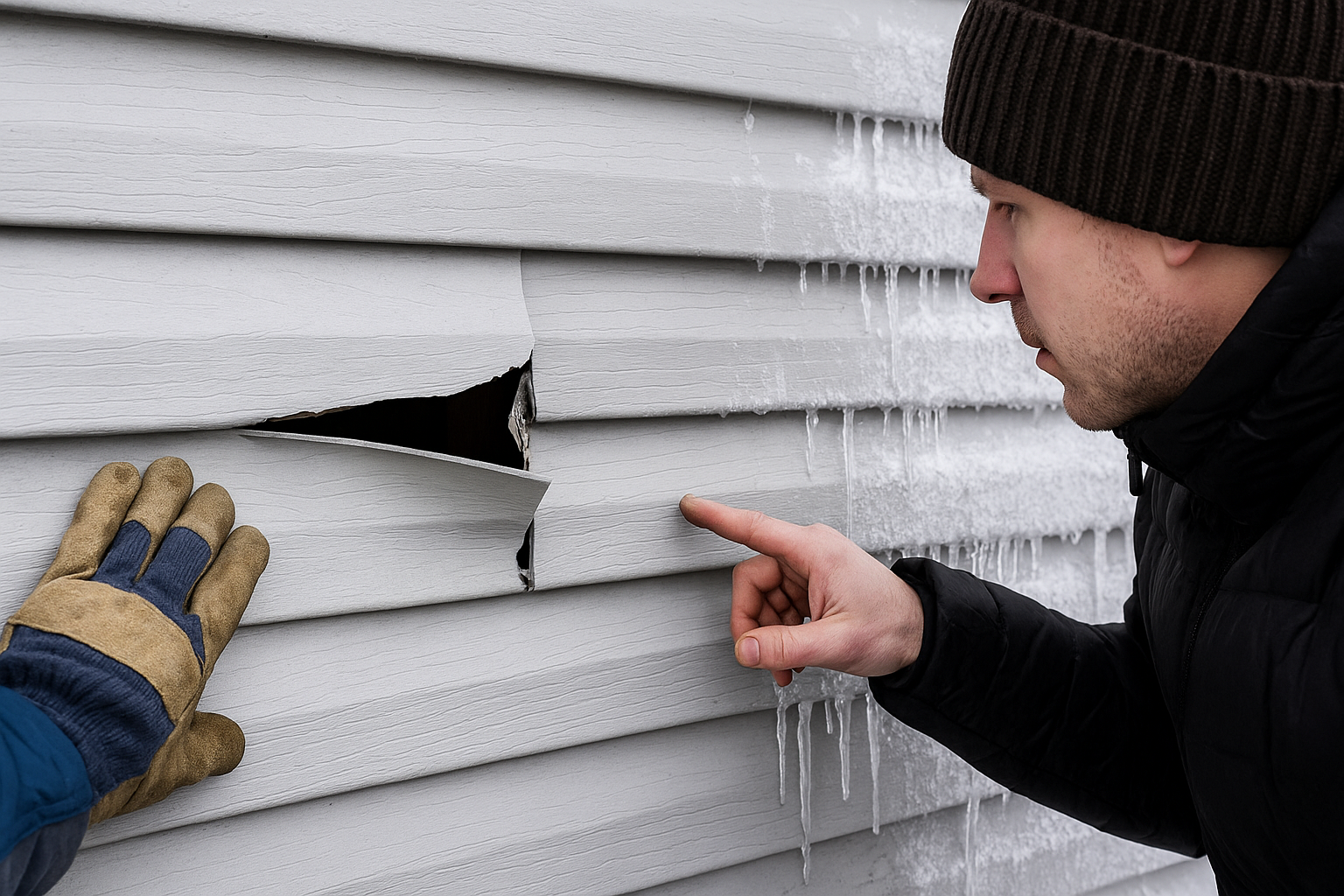
One of the most obvious warning signs is visible cracking or splitting. During deep freezes, brittle siding materials expand and contract quickly. If you notice small cracks, they can spread rapidly once snow and ice enter them.
Cracks not only affect appearance but also allow water to penetrate, freeze, and worsen the damage. If your siding is showing multiple cracks, it may be time to consider whether replacing siding in Ottawa is the more cost-effective solution.
2. Warping or Buckling Boards
When moisture gets trapped behind siding and freezes, boards can warp outward or buckle inward. Warping creates gaps that compromise insulation and give pests or mold a place to thrive.
Materials like vinyl and aluminum are especially prone to warping under rapid freeze-thaw cycles. Professional contractors stress the importance of choosing the right siding contractor in Ottawa to ensure proper installation techniques that minimize these risks.
3. Gaps Between Panels
Gaps form when siding panels contract in extreme cold or when nails loosen. These gaps are easy entry points for snowmelt, which can freeze behind panels and rot the sheathing layer beneath.
A properly installed siding system should include expansion allowances. If you’re noticing multiple gaps, it’s a clear sign that the installation was flawed or the siding has reached the end of its service life. For Ottawa’s climate, reviewing the most durable siding options for cold weather is a smart step.
4. Loose or Detached Panels
High winds combined with brittle, frozen siding often lead to panels coming loose. If you hear rattling noises on windy winter nights, inspect your exterior. Loose siding not only threatens your home’s insulation but can become a safety hazard if pieces detach completely.
5. Frost and Ice Buildup Behind Siding
If frost is forming on your interior walls near exterior siding, it indicates moisture is trapped inside the siding system. This happens when small leaks or gaps allow melted snow to seep in, where it freezes. Left unchecked, it can lead to hidden water damage behind siding layers, something Ottawa homeowners frequently encounter.
For a deeper understanding, explore guides on spotting hidden water damage behind siding.
6. Interior Drafts and Higher Heating Bills
If you suddenly notice cold drafts or your energy bills spike during winter, your siding may no longer be providing proper insulation. Freezing temperatures magnify weaknesses in failing siding, creating leaks and drafts that drive up energy costs.
7. Mold, Mildew, or Rot
Moisture intrusion during freezing weather often leads to mold growth or wood rot. Inspect areas around gutters, windows, and eaves where ice dams commonly form. These spots are highly vulnerable to water infiltration once the ice melts and refreezes.
The U.S. Environmental Protection Agency warns that even small amounts of hidden mold can spread quickly behind walls, creating health risks as well as structural issues.
8. Peeling or Faded Paint
For painted wood or fiber cement siding, peeling or fading during winter often signals trapped moisture. When temperatures drop, the water freezes and forces the paint away from the surface. This exposes raw material to further damage, accelerating siding failure.
9. Difficulty Opening Windows and Doors
When siding expands or shifts during freeze-thaw cycles, it can alter the alignment of window and door frames. If you suddenly find it difficult to open or close them during winter, it’s often a subtle sign that your siding is under stress and shifting out of place.
10. Pest Infestation in Cold Weather
If mice, insects, or other pests find their way indoors during the winter, it could mean there are gaps in your siding. Freezing temperatures drive pests to seek shelter, and compromised siding is one of the easiest entry points.
How to Prevent Siding Failure Before Winter
Schedule Regular Inspections
Seasonal inspections help identify small issues before they worsen. Consider working with a trusted Ottawa siding installer who understands the unique demands of Canadian winters.
Maintain Proper Ventilation
Attic and wall ventilation prevents ice dams and reduces moisture buildup behind siding.
Invest in Durable Siding Materials
Options such as insulated vinyl or fiber cement perform better under harsh climates. Explore the top durable siding materials to ensure long-term resilience.
Act Quickly on Minor Repairs
Even small cracks or gaps should be addressed before freeze-thaw cycles worsen them. Delaying repairs during winter often results in more expensive replacements in spring.
When It’s Time for Full Replacement
If multiple warning signs are present—such as cracks, drafts, mold, and warped panels—it may be more cost-effective to replace the entire siding system. A professional contractor can help you weigh repair vs. replacement costs while factoring in energy savings and curb appeal.
Conclusion: Protecting Your Home From Winter Siding Failure
Freezing temperatures put siding to the ultimate test. By knowing the warning signs—cracks, warping, gaps, drafts, frost, and mold—you can protect your home before small issues escalate into serious structural damage.
Ottawa homeowners who take proactive measures—seasonal inspections, timely repairs, and choosing siding designed for cold climates—can enjoy a warmer, safer, and more energy-efficient home even in the harshest winters.
For expert siding inspections and repairs tailored to Ottawa’s unique climate, reach out to Kaloozie Comfort’s siding specialists today.