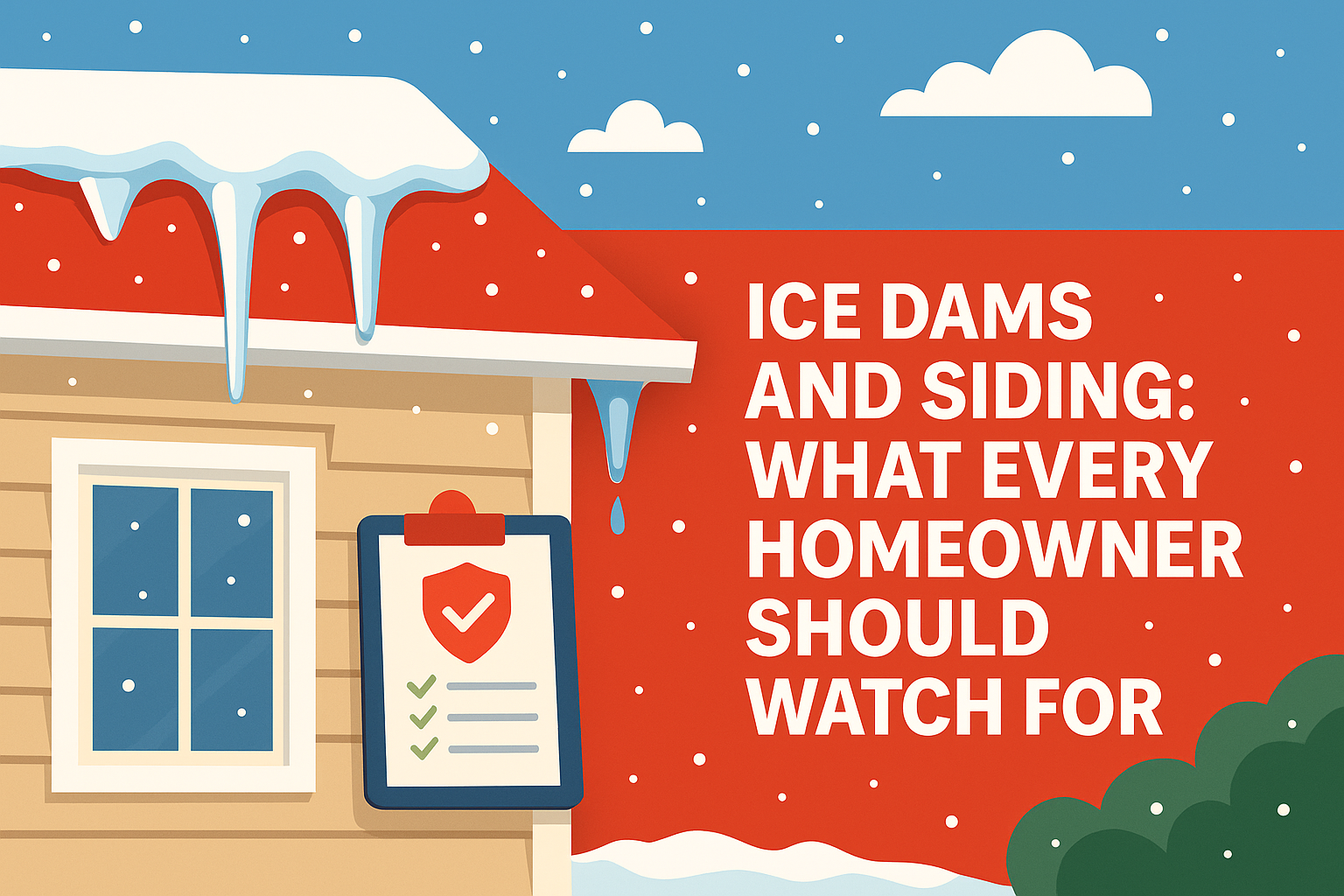

Winter storms in Ottawa and across Canada can be brutal, leaving behind significant damage to home exteriors. Siding often takes the brunt of snow, ice, and high winds, and homeowners are frequently left wondering whether to repair the damage or invest in a full siding replacement. Making the right choice is crucial—not only for protecting your home but also for managing long-term costs and preserving curb appeal.
Understanding the Impact of Winter Storms on Siding
Freeze-Thaw Cycles
When snow and ice accumulate against siding, water can seep into cracks or gaps. Once temperatures drop, the water freezes and expands, worsening existing weaknesses and causing splits or warping.
Ice Dams and Heavy Snow Loads
Ice dams on roofs can push meltwater behind siding, leading to moisture penetration. Excessive snowdrifts pressed against siding can also warp panels or push them out of alignment.
Wind Damage
High winds during storms can loosen or rip siding panels away. Vinyl, aluminum, and even wood siding can all be compromised when wind gusts catch unfastened sections.
Signs Your Siding May Only Need Repairs
Not all storm-related siding damage requires replacement. Some scenarios call for targeted repairs, which can save you time and money.
Localized Cracks or Chips
Small cracks from hail or flying debris can often be repaired with patching or caulking. If the underlying structure is sound, this is a cost-effective solution.
Loose Panels
If only a few panels were lifted or shifted, a siding contractor can reattach or replace those sections without disturbing the rest of the home.
Minor Fading or Discoloration
Winter weather can dull the finish of your siding, but professional cleaning or refinishing may restore its appearance without the need for replacement.
For homeowners unsure whether repairs are enough, it’s wise to consult with an expert. A trusted siding contractor in Ottawa can provide a professional inspection and accurate guidance.
When Replacement Becomes the Better Option
Widespread Water Damage
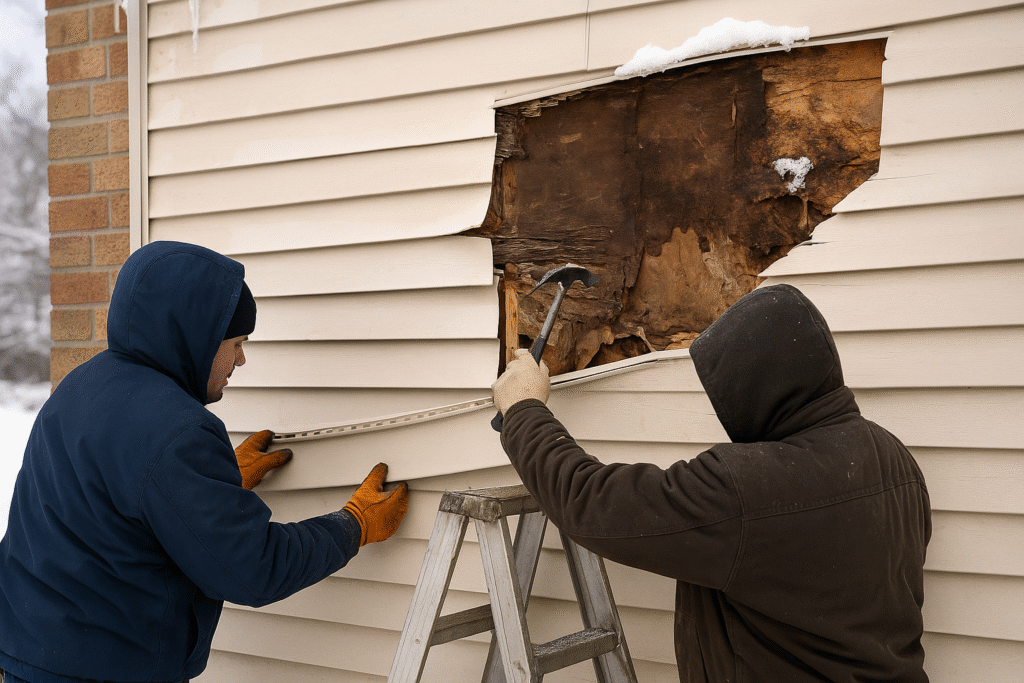
If melting snow and ice have penetrated siding and reached the sheathing, repairs won’t be sufficient. Hidden water damage can lead to rot, mold, and structural compromise. In such cases, a full siding replacement is the best course of action.
Severe Warping or Buckling
When large areas of siding are warped or buckled due to repeated freeze-thaw cycles, repairing individual panels won’t solve the underlying issue. Replacement ensures a uniform, weather-resistant exterior.
Recurring Storm Damage
If your siding requires frequent patching after every winter, it may be time to invest in more durable materials. Options such as fiber cement siding or engineered wood can better withstand Ottawa’s harsh winters.
Older or Outdated Siding
Even if damage is moderate, siding that’s decades old may no longer be worth repairing. Modern siding materials offer improved insulation, weather resistance, and aesthetic value, making replacement a smarter investment.
Cost Considerations: Repair vs. Replacement
Repair Costs
Repairs typically range from minor caulking jobs to replacing a few panels. For localized damage, costs remain low and manageable. However, repeated repairs over several winters can add up quickly.
Replacement Costs
A full siding replacement is more expensive upfront, but it offers long-term savings. Homeowners benefit from improved insulation, lower maintenance, and enhanced resale value. For a breakdown of expenses, explore siding replacement costs in Ottawa.
Choosing the Right Materials for Winter Resilience
Vinyl Siding
Affordable and low-maintenance, vinyl siding performs reasonably well but can crack in extreme cold. Reinforced or insulated vinyl options are more durable for cold climates.
Fiber Cement Siding
Highly resistant to moisture, fire, and pests, fiber cement is one of the most reliable options for Ottawa winters. It doesn’t warp under freeze-thaw conditions and lasts for decades.
Engineered Wood Siding
Engineered wood offers the charm of natural wood with added durability. When properly installed and maintained, it holds up well against winter storms.
For homeowners weighing their options, check out what type of siding lasts the longest for a detailed breakdown.
Preventive Steps to Minimize Winter Storm Damage
Routine Inspections
Inspect siding before winter to identify small cracks or gaps that could worsen under snow and ice.
Proper Installation
Poorly installed siding is more vulnerable to storm damage. Partnering with experienced siding experts ensures your siding is fitted correctly.
Ice Dam Prevention
Installing proper eavestroughs and ensuring attic insulation can reduce the risk of ice dams pushing water behind siding. Refer to government resources like Canada.ca’s home maintenance guides for official tips.
Regular Cleaning and Maintenance
Removing debris, mildew, and buildup keeps siding strong and extends its lifespan. Homeowners can follow seasonal siding maintenance tips to keep exteriors storm-ready.
Energy Efficiency and Insurance Benefits
Storm-damaged siding isn’t just an aesthetic issue—it impacts energy bills. Compromised siding allows drafts and moisture to seep in, forcing heating systems to work harder. Newer siding options, such as insulated vinyl, can help lower energy costs. According to the U.S. Department of Energy, upgrading exteriors contributes to measurable energy savings.
Additionally, homeowners may find that properly maintained or replaced siding reduces insurance risks. Insurers often look favorably on proactive exterior maintenance when assessing coverage and premiums.
Making the Right Choice for Your Home
Determining whether to repair or replace siding after a winter storm comes down to the extent of the damage, the age of your siding, and long-term financial considerations. While minor issues can often be resolved with targeted repairs, extensive damage or recurring problems usually justify full replacement.
If you’re facing storm-related siding damage, professional guidance is invaluable. The experts at Kaloozie Comfort provide inspections, detailed estimates, and customized solutions tailored to Ottawa homeowners.