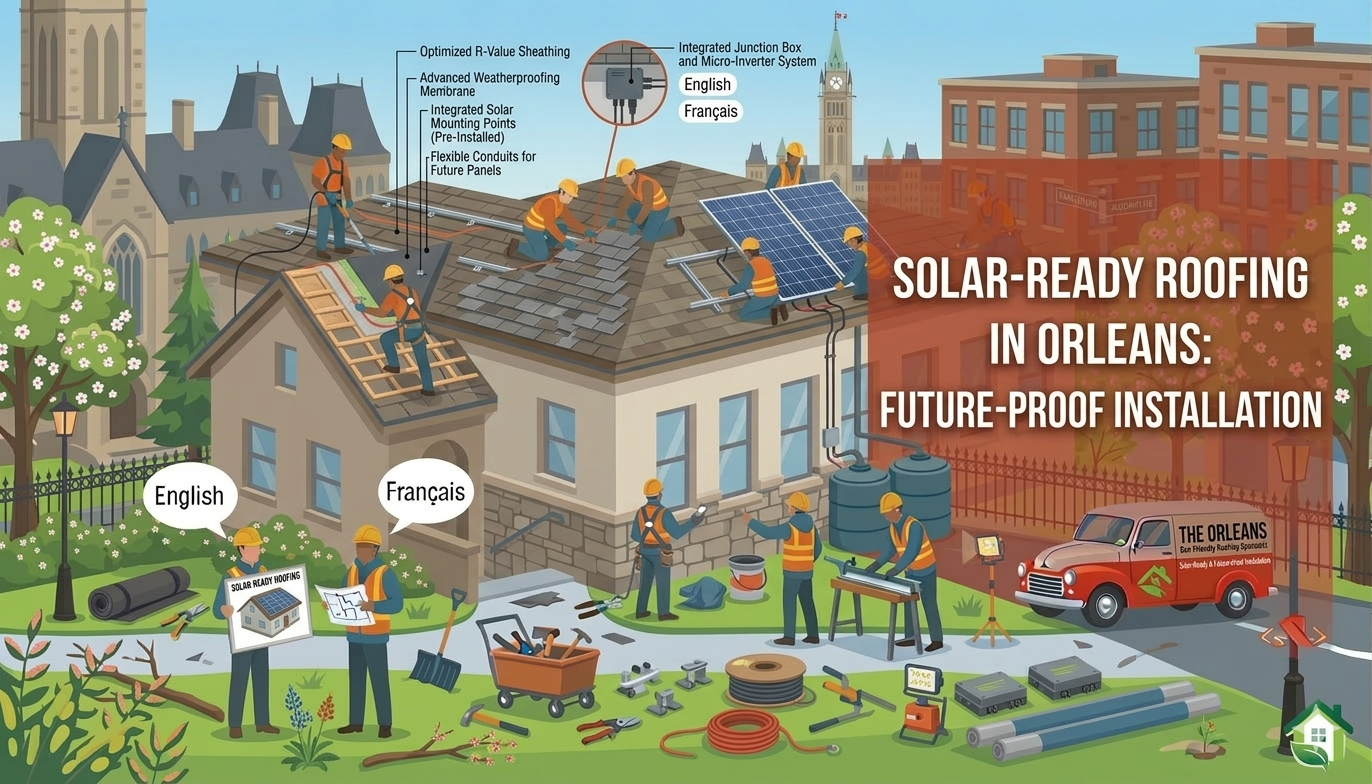
A roof is no longer just a protective shell over a house. In Orleans, where homeowners are increasingly thinking about energy efficiency, long-term property value, and smarter renovations, roofing decisions now carry a much bigger role. A solar-ready roof is one of the clearest examples of this shift. It prepares a home for future solar panel installation without forcing the owner to redo major parts of the roof later.
That matters because a roof and a solar system should never be treated as separate investments. If a roof is installed without considering future solar compatibility, homeowners often face avoidable costs, design limitations, and structural compromises. A properly planned solar-ready roofing system creates a stronger foundation for future energy upgrades, improves long-term performance, and protects the home from the costly mistake of having to remove and reinstall roofing work prematurely.
For homeowners in Orleans, this approach makes even more sense. The area includes many family homes, detached properties, suburban developments, and growing neighborhoods where long-term homeownership is common. People are not just looking for a roof that gets through the next winter. They want a roof that still makes sense ten, fifteen, or twenty years from now.
That is exactly where solar-ready roofing stands out. It is not about making a roof trendy. It is about making it strategic.
What Solar-Ready Roofing Really Means
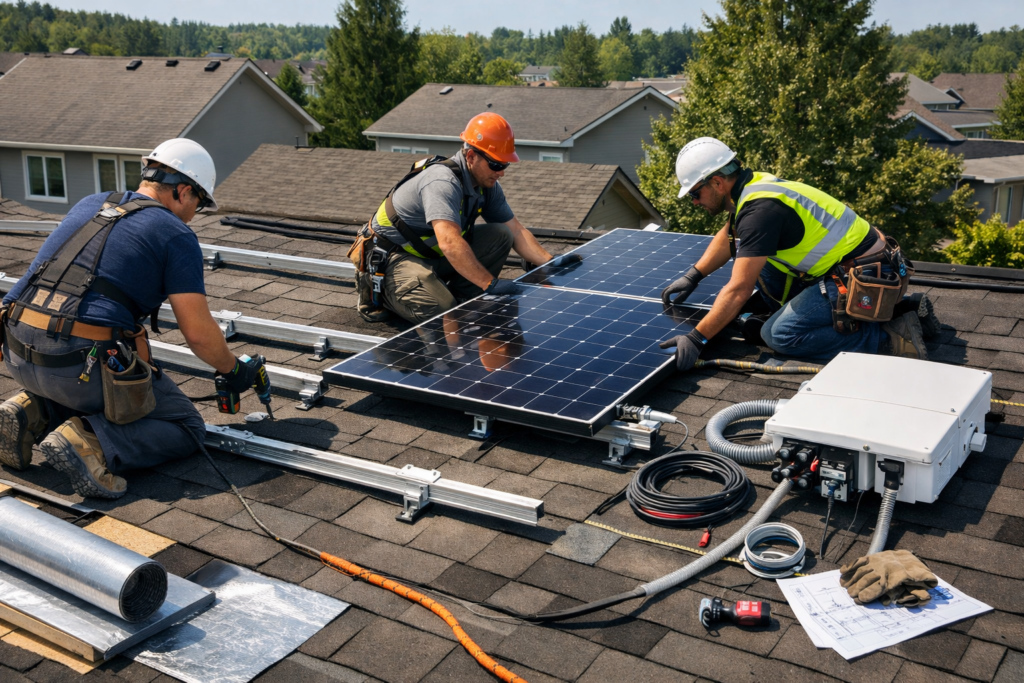
Solar-ready roofing does not necessarily mean solar panels are installed on day one. It means the roof is designed, installed, and detailed with future solar integration in mind. This includes the orientation of roof planes, structural readiness, roofing material compatibility, flashing details, penetrations, ventilation planning, and the remaining lifespan of the roofing system.
A homeowner may not be ready to invest in solar today. That does not mean they should install a roof that creates future limitations. A solar-ready roof gives flexibility. It allows the home to remain open to future upgrades without forcing a major retrofit.
In practical terms, solar-ready roofing usually means:
- Choosing roofing materials with sufficient lifespan to outlast or align with a future solar system
- Ensuring the roof deck and supporting structure are in good condition
- Avoiding design details that make panel placement inefficient
- Planning for clean installation zones with minimal obstructions
- Using installation methods that reduce future disruption to waterproofing and flashing systems
- Considering attic ventilation and insulation performance so the roof works efficiently as a whole envelope
For Orleans homeowners, this is not just a design preference. It is a planning advantage.
Why Solar-Ready Roofing Makes Sense in Orleans
Orleans homes are exposed to the full range of Ottawa climate conditions: heavy snow loads, freeze-thaw cycles, summer heat, rainstorms, wind, and ice buildup. Any roofing project in this region must be built for durability first. But durability alone is no longer enough. More homeowners now want roofing systems that also support efficiency, sustainability, and resale strength.
A solar-ready roof adds value in several ways.
First, it helps protect the timeline of major home upgrades. If a homeowner installs a standard roof today and decides to add solar a few years later, the condition and compatibility of that roofing system become critical. If the roof is already aging or was not planned for future panel mounting, the project becomes more expensive and more disruptive.
Second, it supports better return on investment. Homeowners in Orleans are often looking for exterior upgrades that improve efficiency and reduce future maintenance surprises. A roof designed with future solar in mind aligns with that goal. It keeps the home ready for a growing category of energy improvements rather than locking it into an outdated setup.
Third, it improves decision-making during installation. A professional contractor who understands future-proof roofing will consider roof layout, drainage, penetrations, and material lifespan more carefully. That usually leads to a better roof overall, even before any solar equipment is added.
Homeowners comparing broader exterior upgrades can also benefit from reviewing related services such as roofing company in Ottawa solutions, especially when planning a full roof replacement instead of patchwork repairs.
The Biggest Mistake Homeowners Make Before Going Solar
The most common mistake is installing a new roof without thinking about the solar timeline.
Many homeowners focus on shingles, colour, and quote price, but they do not ask whether the roofing system is suitable for future solar hardware. That can lead to several problems:
A Roof That Will Age Out Before Solar Pays Off
If solar panels are installed on a roof with limited remaining life, the homeowner may later need to remove the panels to replace the roof. That adds labour, coordination, and cost that could have been avoided.
Poor Roof Layout for Panel Placement
Dormers, vents, plumbing stacks, poorly positioned skylights, or fragmented roof lines can reduce usable area for solar panels. A solar-ready mindset helps preserve cleaner roof sections where possible.
Weak Waterproofing at Future Penetration Points
Solar systems must be mounted securely, and mounting involves critical flashing and sealing details. A poorly installed roof is more vulnerable to future leaks when penetrations are added.
Overlooking Structural Readiness
A contractor should never guess whether a roof can handle future system loads. Even when modern solar systems are well-engineered, the roof structure and deck condition must be taken seriously.
This is why a solar-ready roofing project should begin with the right contractor, not just the lowest bidder. Homeowners evaluating options should understand what separates a quality exterior professional from a rushed installer, which is why resources like how to choose a siding contractor you can trust are useful even beyond siding—they reinforce the same discipline of choosing a contractor based on workmanship, detail, and reliability.
Best Roofing Materials for Solar-Ready Installation
Not every roofing material performs equally when future solar is part of the plan. In Orleans, the right choice depends on climate performance, expected service life, installation quality, and how well the material pairs with future mounting systems.
Asphalt Shingles
Asphalt shingles remain common and can absolutely work for solar-ready roofing, especially when high-quality architectural shingles are used. The key question is lifespan. If panels may be installed later, the shingles should have enough remaining service life to make that future installation worthwhile.
This makes premium roofing installation especially important. Cheap shingles and weak workmanship can undermine the entire long-term strategy.
Metal Roofing
Metal roofing is one of the strongest options for solar-ready homes. It offers durability, long lifespan, and excellent compatibility with many panel mounting solutions. In many cases, standing seam systems can support solar attachments with fewer penetrations than other roofing materials.
For homeowners thinking seriously about future energy upgrades, metal roofing company in Ottawa services are often worth considering because metal roofs can offer long-term value when planned correctly.
Steel Roofing
Steel roofing is another strong candidate for future-proof installation. It is durable, weather-resistant, and well suited to Ottawa-area climate demands. Homeowners who want longevity and performance should also review steel roofing company in Ottawa solutions when comparing material options.
Low-Quality or Short-Lived Roofing
A roof that may require replacement far earlier than expected is a poor match for future solar planning. Even if the upfront price looks attractive, it often creates more cost over time.
Design Details That Make a Roof Solar-Ready
A solar-ready roof is won or lost in the details. This is not just about material selection. It is about how the roof is designed and installed.
Roof Plane Simplicity
Large, uninterrupted roof sections are easier to use for future solar arrays. Complex lines, excessive protrusions, and fragmented surfaces can reduce efficiency and design flexibility.
Vent and Penetration Placement
Thoughtful placement of vents, stacks, and other penetrations can preserve cleaner sections of roof area. This does not mean ignoring roofing function. It means coordinating layout with long-term use in mind.
Underlayment and Waterproofing
Future solar mounting should not introduce leak risk. A well-built roof starts with proper underlayment, flashing, sealing transitions, and precise installation around vulnerable areas.
Structural Condition
Before calling any roof solar-ready, the deck, rafters, and overall structural condition should be evaluated. Hidden deterioration, moisture damage, or past installation shortcuts can weaken the system.
Attic Ventilation and Insulation
A solar-ready roof should also be part of a smarter building envelope. Heat buildup, moisture control, and insulation performance all affect roofing longevity and energy performance.
Homeowners interested in sustainable exterior upgrades should also explore eco-friendly roofing and siding options in Ottawa, since solar-ready planning works best when paired with a broader energy-efficiency mindset.
How Orleans Climate Affects Solar-Ready Roofing Decisions
Orleans is not a mild-climate roofing market. Winter alone makes quality roofing non-negotiable. Snow accumulation, ice dams, temperature swings, and moisture intrusion all place pressure on roofing systems. If a roof cannot handle local climate stress, it is not ready for anything else.
That is why solar-ready roofing in Orleans must begin with climate-ready roofing.
A roof needs to resist water entry during thaw periods, maintain structural integrity through seasonal loading, and hold up against wind-driven precipitation. It must also support safe future installation work without exposing weak flashing or brittle materials.
This is where seasonal care becomes part of the long-term plan. Even a new solar-ready roof benefits from proactive upkeep, and homeowners can strengthen long-term performance with guidance from winter roofing maintenance: essential tips for Ottawa homeowners.
Solar-Ready Roofing and Home Value
Homeowners increasingly understand that resale value is not driven by appearance alone. Buyers want homes with strong major systems, lower future risk, and better upgrade potential. A roof that is new, durable, and prepared for solar becomes easier to market than one that may need rework.
This does not mean every buyer will install solar immediately. It means buyers recognize the advantage of a home that is ready for it.
A solar-ready roof signals several positive things:
- The home has been upgraded with long-term planning in mind
- The roofing system was likely installed with more care and better materials
- Future energy improvements will be easier to pursue
- The property has stronger appeal to efficiency-minded buyers
In suburban markets like Orleans, that future-readiness matters. Families moving into long-term homes are often looking beyond cosmetic upgrades. They want durable infrastructure.
When to Make a Roof Solar-Ready
The best time is during a full roof replacement or new roof installation.
Trying to retrofit solar-readiness after the roof is already complete is possible, but it is rarely as efficient. During a replacement project, the contractor has the opportunity to inspect the deck, correct hidden issues, improve waterproofing details, and guide material selection based on future plans.
Homeowners should consider solar-ready roofing if:
- Their current roof is nearing the end of its life
- They plan to stay in the home long term
- They want to preserve the option of future solar installation
- They are already investing in energy efficiency upgrades
- They want a stronger return from a major exterior renovation
Even homeowners who are uncertain about solar today often benefit from planning for it now. The cost of thoughtful preparation is usually far lower than the cost of poor timing later.
Questions to Ask a Roofing Contractor in Orleans
A contractor should be able to speak clearly about future compatibility, not just roofing basics. When evaluating quotes, homeowners should ask:
How long will this roofing system realistically last?
The answer should reflect real local performance, not generic brochure claims.
Is this roof a good candidate for future solar installation?
A knowledgeable contractor should discuss layout, penetrations, lifespan, and structural readiness.
Will you inspect the decking and vulnerable areas before installation?
A roof is only as strong as the surface and structure beneath it.
How do you handle flashing, ventilation, and waterproofing in high-risk areas?
These details are critical both for current performance and future upgrades.
Can you recommend roofing materials that pair well with long-term energy planning?
This helps separate strategic contractors from simple installers.
For homeowners in Orleans specifically, working with a localized service page such as professional roofing company Orleans – 40 years experience can help narrow the search toward contractors who understand neighborhood conditions, property styles, and regional climate demands.
Solar-Ready Roofing Is About More Than Solar
The phrase “solar-ready” can sound narrowly technical, but the concept is broader than that. It really means installing a roof that respects the future.
A future-proof roof is built with durability, flexibility, and upgrade compatibility in mind. It reduces the risk of rework. It gives homeowners more control over future decisions. It supports better energy planning. It often reflects higher-quality installation habits across the board.
For Orleans homeowners, this approach is especially practical. Roofing projects are major investments, and major investments should not be shortsighted. When a roof is built to handle future solar, it is usually also built to handle weather, moisture, service life expectations, and smarter exterior performance overall.
That is the real benefit. Solar-ready roofing does not lock a homeowner into one path. It keeps good options open.
Choosing the Right Time to Move Forward
If a roof is already showing signs of age, leaks, curling materials, recurring repair issues, or heat-loss concerns, delaying replacement can make future planning harder and more expensive. The best results usually happen when the roofing project is approached proactively rather than reactively.
Homeowners who are already comparing roofing options, considering exterior upgrades, or thinking about long-term efficiency should use this moment to plan smarter. A roof installed today should still support the home’s goals tomorrow.
And if the next step is speaking with a local expert about roofing compatibility, material options, and long-term exterior planning, the final move is simple: contact Kaloozie Comfort to discuss a roofing solution designed for Orleans homes and future-ready performance.
FAQs
What is a solar-ready roof?
A solar-ready roof is a roofing system installed with future solar panel compatibility in mind. It focuses on durability, layout, waterproofing details, and long-term material lifespan so solar can be added later more easily.
Do I need solar panels now to install a solar-ready roof?
No. A solar-ready roof is ideal for homeowners who want to preserve the option of adding solar in the future without redoing major roofing work.
What is the best roofing material for future solar installation in Orleans?
Metal and steel roofing are often excellent long-term options because of their durability and compatibility, but high-quality asphalt roofing can also work well when installed properly and matched to the future timeline.
Why is solar-ready roofing important in Orleans specifically?
Orleans homes face harsh winter conditions, snow loads, moisture exposure, and freeze-thaw cycles. A future-proof roof in this climate must be durable first, then ready for long-term upgrades like solar.
Will a solar-ready roof increase home value?
It can improve marketability and perceived value by showing that the roof is newer, strategically installed, and compatible with future energy improvements.
When should I make my roof solar-ready?
The best time is during a full roof replacement or new roof installation, when the contractor can assess the structure, improve waterproofing, and choose materials that support long-term performance.
Can any roofer install a solar-ready roof?
Not every roofer approaches installation with future compatibility in mind. It is important to choose a contractor who understands structural readiness, material lifespan, flashing details, and the long-term relationship between roofing and future solar upgrades.